- calendar_today April 21, 2026
Educational Equity Initiatives: Comparing Global Approaches
The quest for educational equity is not just a noble aspiration; it’s a fundamental right that transcends borders. Countries around the world are grappling with diverse challenges related to accessibility, affordability, and quality of education. Here, we dive deep into a comparative analysis of how various nations are effectively tackling educational equity, showcasing initiatives that serve as blueprints for others.
The Challenge of Educational Inequity
Educational inequity arises from various systemic and structural issues, rolling out a complex web of barriers that hinder students’ access to quality education. Factors like socio-economic status, race, geographical location, and gender play significant roles in educational outcomes. For instance, UNESCO estimates that more than 200 million children around the globe do not have access to quality primary education, a glaring indication of the urgent need for intervention.
Socioeconomic Disparities
The gap between the rich and the poor often reflects educational achievements within a country. In nations like India and Brazil, children from socioeconomically disadvantaged backgrounds struggle to access schools, let alone high-quality education. This disparity is systemic, often rooted in a lack of funding for lower-income communities.
Innovative Initiatives in Different Countries
Exploring how various countries are addressing these pressing issues unveils a plethora of innovative educational equity initiatives. Here, we examine a few notable examples.
Finland: The Model of Inclusivity
Often cited as a beacon of educational equity, Finland has adopted a unique approach that emphasizes inclusivity and accessibility. The country invests heavily in its public education system, providing free education for all, including meals, transportation, and even special needs support. Finland’s approach ensures that children from all backgrounds can thrive in a high-quality learning environment.
Kenya: Harnessing Technology
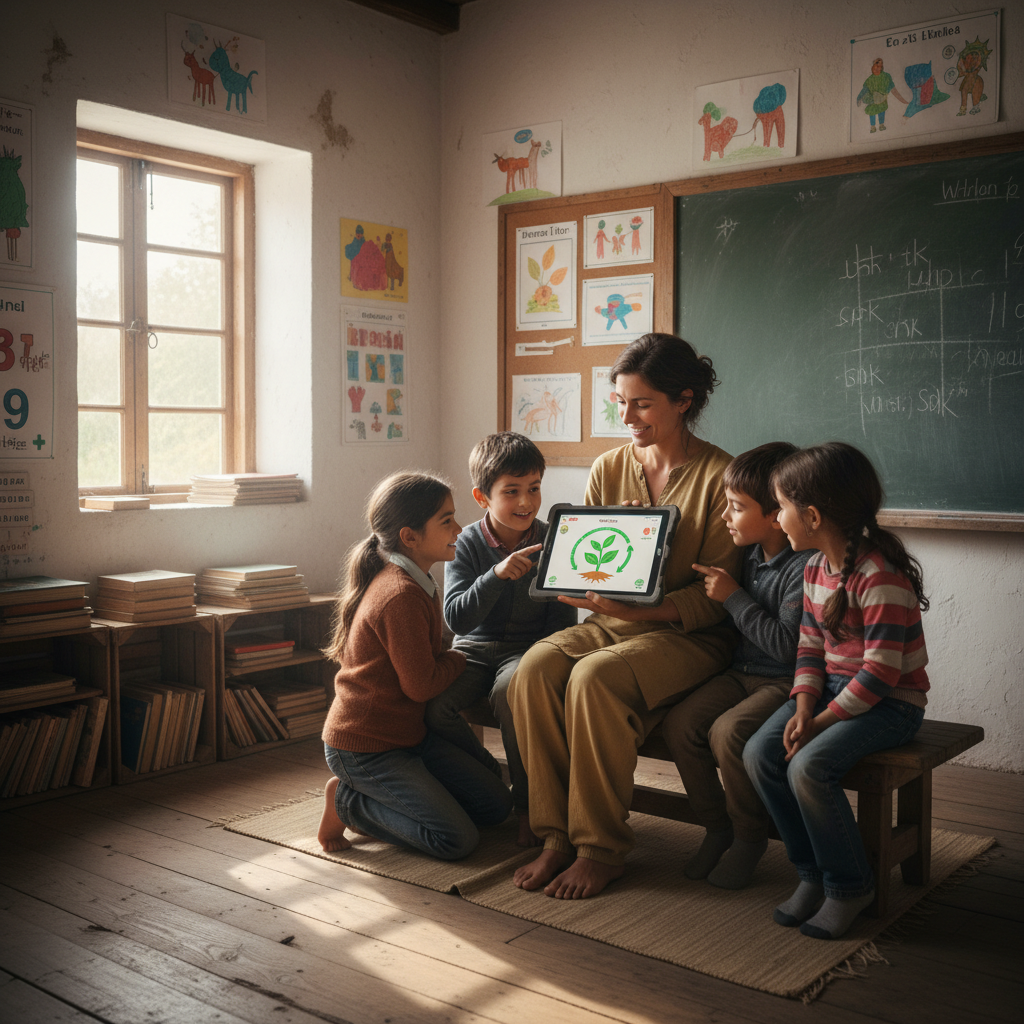
In contrast, Kenya has taken significant strides toward educational equity by leveraging technology. With the introduction of platforms like E-Learning, the Kenyan government aims to bridge the digital divide. Programs like Digital Literacy Programme equip students with essential tech skills, promoting equal opportunities for learners across urban and rural settings.
Canada: Indigenous Education Focus
Canada’s approach to educational equity focuses on supporting Indigenous populations. Initiatives like the First Nations Education Act empower Indigenous communities by increasing funding and control over educational frameworks. This culturally relevant pedagogical shift not only facilitates academic success but also respects and preserves Indigenous heritage.
Strengths and Limitations of Various Approaches
While these initiatives showcase the commendable efforts made toward educational equity, each has its strengths and limitations. Understanding these nuances is critical for informing future strategies.
Finland’s System
Finland’s universally accessible system boasts equality, but it also grapples with issues of teacher burnout and the challenges of adapting to diverse student needs in large class sizes.
Kenya’s Digital Divide
Though Kenya’s tech initiatives are commendable, they often fall short in rural areas where electricity and internet connectivity remain unreliable. This digital divide continues to perpetuate educational inequalities.
Canada’s Cultural Challenges
Canada’s emphasis on Indigenous education acknowledges historical injustices yet faces ongoing challenges regarding implementation and the integration of non-Indigenous perspectives.
The Role of Global Organizations
International organizations such as UNESCO and UNICEF play an essential role in setting standards and providing frameworks for educational equity globally. These institutions facilitate dialogues among countries, helping to share best practices and align methodologies. They often fund initiatives that address specific local challenges, allowing countries to tailor solutions to their unique contexts.
UNESCO’s Role in Education
UNESCO’s Global Education Monitoring Report has been instrumental in tracking progress toward educational equity. By providing data and guidelines, it enables countries to self-assess their educational policies and strategies and adjust their implementations accordingly.
The Future of Educational Equity
Looking ahead, the landscape of educational equity continues to evolve. With increasing globalization, cross-border collaborations among countries promise innovative solutions to age-old problems. Countries can learn from each other’s successes and failures, refining their strategies for more effective implementation.
The Importance of Local Context
While global frameworks are beneficial, it’s crucial to remember the importance of local context. Tailoring initiatives to address specific societal, cultural, and geographical nuances will be key proprietary in achieving sustainable educational equity.
Conclusion
As we navigate the complexities of educational inequity, one fact remains: no single approach fits all. Through comparative analysis, we can glean valuable insights and refine the initiatives in our respective countries. The road to educational equity may be long and winding, but with innovation, collaboration, and an unwavering commitment, we can ensure that every child, regardless of their background, has the opportunity to succeed. Are you ready to engage in the conversation and explore how your community can contribute to this global initiative?