- calendar_today August 11, 2026
National 3 (USA) — The landscape for political satire faces a pivotal legal moment as The Babylon Bee, a leading Christian satire news outlet, files a lawsuit challenging New Mexico’s controversial disclaimer requirement for AI-generated political content. At the center of the legal dispute is the state’s new mandate that all political advertisements featuring AI-manipulated media must include conspicuous ai disclaimers, even when such content is clearly satire parody.
Satirical Speech and the Boundaries of Disclosure
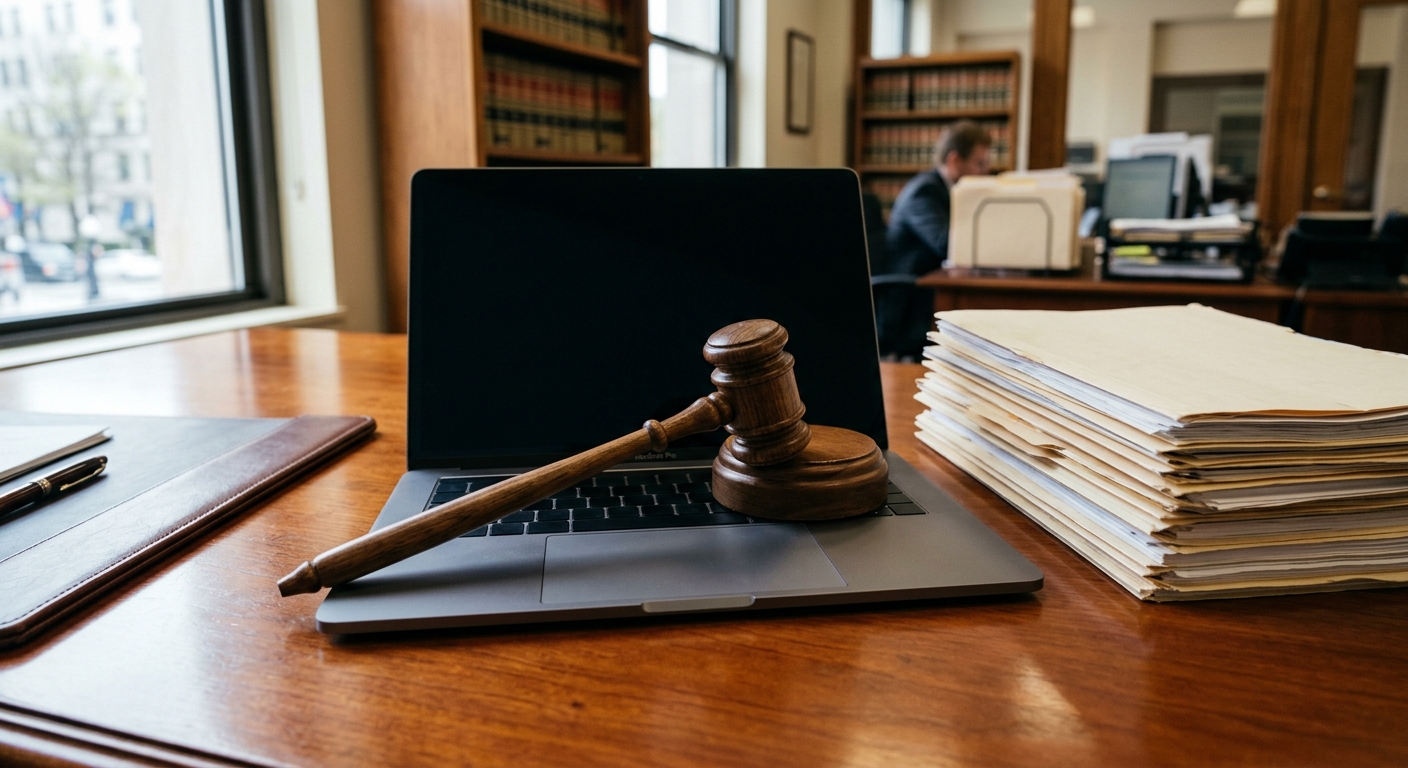
The Babylon Bee, with the support of the nonprofit Alliance Defending Freedom (ADF), asserts that New Mexico’s law — known as the campaign reporting act (HB 182) — imposes unconstitutional limits on free speech. The organization contends that the required disclaimers “spoil the rhetorical impact of satire and parody,” essentially forcing creators to deliver disclaimers that undermine their intended comedic effect. The lawsuit, filed in federal court, claims that this amounts to compelled speech and risks chilling vital political humor.
Details of the New Mexico Law Draw National Focus
The new mexico law in question specifically targets political advertisements using AI-generated or altered media, mandating that they carry prominent notification labels. Noncompliance could bring significant penalties, with potential fines reaching up to $20,000. Notably, the law includes exemptions for news reporting and editorial content but applies to satirical and entertainment works, a distinction that the plaintiffs contend is both discriminatory and constitutionally questionable.
Legal and Editorial Exemptions Controversy
While news and editorial content receive explicit protection under the campaign reporting act, satire and other forms of political humor do not. The Babylon Bee’s legal team argues this exception undercuts entertainment publishers and selectively restricts certain viewpoints. This focus on satire has drawn national debate, with legal experts weighing the broader implications for creative expression and compelled speech in the digital age.
State Opinion and Precedents from Other Jurisdictions
New Mexico’s Attorney General has already opined that the disclaimer requirement may be unconstitutional, echoing concerns raised in other states. Similar laws in Hawaii and California, both of which sought to regulate AI-generated political communications, have faced legal challenge and were ultimately struck down. In those cases, the Alliance Defending Freedom played a key role, and their experienced counsel, Jim Campbell, has highlighted the dangers of government involvement in determining what qualifies as permissible political speech.
Babylon Bee’s Lawsuit: Intent and Broader Implications
The babylon bee lawsuit in National 3 (USA) is preemptive, with the satire outlet seeking to safeguard its protected expression before potential penalties are imposed. The plaintiffs argue that labeling political satire undermines its effectiveness and that satire and parody are deeply embedded in American discourse. The lawsuit positions itself not only as a defense of The Babylon Bee’s interests but also as a broader stand for artists, comedians, and writers who depend on political satire as a vehicle for free debate and public critique.
Regional and National Impact on Political Satire
This court challenge in National 3 (USA) will be closely watched by other media producers and legal analysts, as it tests the boundary between government regulation, technological innovation, and constitutional rights. The outcome could have significant ramifications for the future of political humor and AI-driven media across the country. As the debate over ai disclaimers and artistic freedom unfolds, stakeholders from both the legal and creative sectors continue to monitor the fate of the babylon bee lawsuit and similar legal challenges nationwide.