
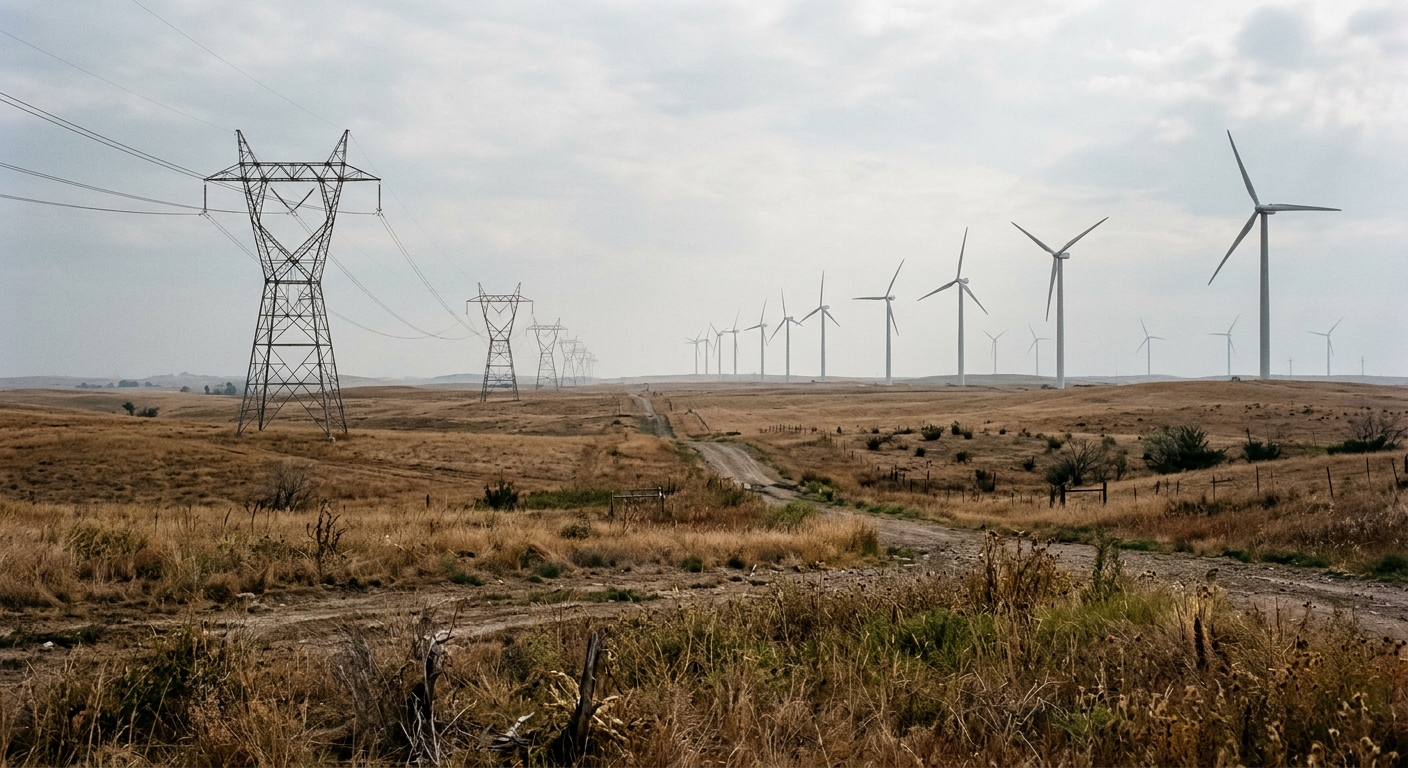
AI-generated illustration; not a photograph of the reported event.
- calendar_today November 10, 2026
Senate Takes Up Sweeping Bipartisan Energy Legislation
The Senate on Monday advanced major bipartisan energy legislation focused on expediting permitting reviews for infrastructure and energy projects across the United States. This marks the first significant legislative action since last week's midterm elections, which saw a clear rejection of former President Donald Trump and congressional Republicans.
Bipartisan Support and Aims of the Bill
The chamber voted 73-25 to formally consider the bill. This legislation is designed to speed up the permitting timeline for large-scale energy projects, including both clean energy and fossil fuel initiatives, and would require data centers to pay for the energy they utilize. Lawmakers from both parties, as well as President Biden, have promoted the bill as essential to meet surging demand for electricity and to address years-long delays that currently impede critical projects.
Provisions Addressing Energy Costs and Data Center Impacts
The bill contains sweeping changes that would facilitate the development of new pipelines, mines, and power plants, which supporters argue will help lower energy costs for American households. Key issues addressed include public anger over artificial intelligence data centers and rising electricity prices, which contributed to recent electoral shifts among Democrats. The bill also introduces measures to ensure data centers pay their full share for energy usage.
Industry and Political Reactions
The legislation is backed by major industry organizations representing both clean energy developers and the oil and gas sector. Donald Trump publicly supported the bill, calling it a "BIG WIN for U.S. ENERGY INDEPENDENCE and DOMINANCE," claiming it would expedite essential infrastructure and lower energy costs. Despite this, environmental organizations including the Sierra Club, National Wildlife Federation, and the Conservation Law Foundation have criticized the bill. They argue it may lock in fossil fuel development, weaken environmental safeguards, and limit avenues for challenging energy project approvals.
Key Amendments and Ongoing Debates
Four senators—Republicans Shelley Moore Capito (West Virginia) and Mike Lee (Utah), and Democrats Martin Heinrich (New Mexico) and Sheldon Whitehouse (Rhode Island)—have championed the bill and released amendments to garner further support. Amendments extend the window for objections to agency reports and reinforce opportunities for state and tribal input on projects affecting important cultural sites.
Tribal consultation provisions have been strengthened in response to feedback, and the window for objections to agency reports has been extended. However, concerns remain. Critics warn the bill could spur increased exports of liquefied natural gas and facilitate new data centers powered by fossil fuels. Some Democrats believe the party should pursue legislation with stricter limits on oil, natural gas, and mining expansion in the next Congress following their midterm victories.
Environmental and State Concerns
Environmental groups object to proposed changes to the National Environmental Policy Act (NEPA) and Endangered Species Act, warning that limits on judicial review could weaken input from communities and scientific oversight. Sara Amundson of the Humane World Action Fund cautioned that provisions may undermine the scientific basis for protecting endangered species by altering the "best available science" standard.
Senator Chris Van Hollen (Maryland) opposed advancing the bill, partly due to concerns regarding offshore wind projects impeded by Trump administration actions. Democratic leaders argue the bill represents a starting point for future advances in climate and environmental policy.
Next Steps and Future Outlook
With bipartisan support in the Senate, the bill’s future in the House remains uncertain, especially as Democratic leaders advocate for stronger clean energy measures. Industry groups, including the American Clean Power Association and the American Petroleum Institute, continue to lobby for its passage. Proponents argue the bill could save households billions in energy costs, create jobs, reduce emissions, and ensure corporations pay their share of energy expenses.
However, significant opposition persists from environmental advocates who warn that the measure may erode longstanding federal protections and complicate future efforts to safeguard health and the environment.
Source: abcnews.com.