
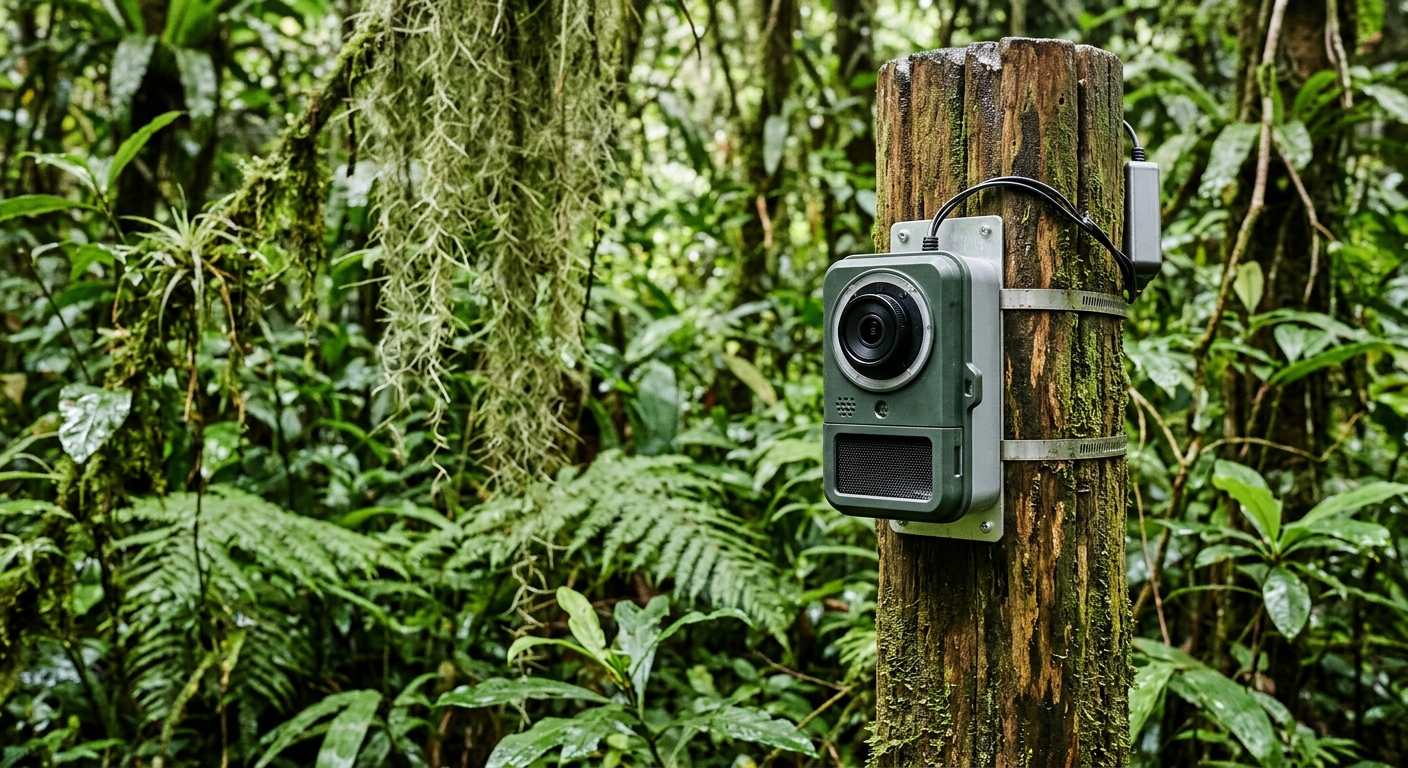
AI-generated illustration; not a photograph of the reported event.
- calendar_today November 15, 2026
Florida Faces Record Dengue Outbreak
Florida is confronting its most significant dengue fever outbreak in decades, with over 290 locally acquired cases reported statewide. Health officials note that, despite the seasonal drop in mosquito activity elsewhere in the country, dengue is spreading rapidly in Florida, with Hillsborough County declaring more than 400 cases through late 2026. In response, mosquito management teams have increased aerial and ground treatments to control local mosquito populations, particularly in the hardest-hit regions.
AI Technology Introduced in Mosquito Surveillance
Researchers at the University of South Florida have developed a new AI mosquito trap to assist public health officials in identifying dangerous mosquito species much more quickly than traditional methods. The device, created by startup Digitomy, leverages built-in cameras and artificial intelligence to identify mosquito species with over 98% accuracy in laboratory tests. The technology could play a crucial role as dengue continues to spread across the state.
How the Digitomy Trap Works
The Digitomy trap can be hung from a tree branch or placed on the ground, using light or bait to attract mosquitoes. A fan draws the insects into the trap, where they land on a sticky pad. Two built-in cameras then photograph the captured mosquitoes. Artificial intelligence analyzes these images by comparing them to an extensive database, identifying both the species and whether each mosquito is male or female, as well as whether it has recently fed on blood—a detail important for tracking disease transmission, since only female mosquitoes bite humans.
Accelerated Identification to Aid Disease Prevention
Traditional mosquito surveillance can take up to three days, as specialists examine captured mosquitoes under a microscope. Digitomy’s system aims to dramatically reduce this delay by providing near real-time identification through the use of AI and cloud computing. The goal is to equip mosquito control teams with same-day information about where potentially dangerous species, such as Aedes aegypti (the primary dengue vector), are appearing, allowing them to concentrate their response efforts more effectively.
Potential for Early Warning and Real-Time Monitoring
Once the trap identifies a mosquito’s species, the information can be delivered to a mapping dashboard. This enables mosquito control teams to visualize locations of disease-carrying species in real time. The technology has already been integrated into a private layer of the Global Mosquito Observations Dashboard, which includes data from over half a million citizen science reports. While the AI trap itself cannot confirm if a mosquito is carrying dengue, it provides a rapid assessment tool that, combined with laboratory testing, could enhance existing early warning systems for mosquito-borne diseases.
Next Steps and Wider Deployment
The Digitomy system has been tested at the University of South Florida, in collaboration with the Anastasia Mosquito Control District in St. Johns County, and is set for further validation in Hillsborough County. The startup is partnering with USF's Technology Transfer office to license the AI identification technology to established mosquito trap manufacturers, potentially allowing broad adoption of smart traps in surveillance programs. Supported by a $25,000 grant from the USF Research Foundation's Bull Ring Accelerator, the team is also developing an online education platform to improve mosquito identification skills among professionals and the public.
Implications for Public Health
Although not yet available for consumer use, the AI mosquito trap signifies a promising advance in the fight against mosquito-borne diseases. With quicker species identification, public health officials may have new tools to prevent the spread of illnesses like dengue. For now, officials continue to urge the public to reduce mosquito breeding sites by emptying standing water, use EPA-registered repellents, and wear protective clothing, particularly in areas where mosquitoes remain active into the cooler months.
Source: foxnews.com.