
- calendar_today August 28, 2025
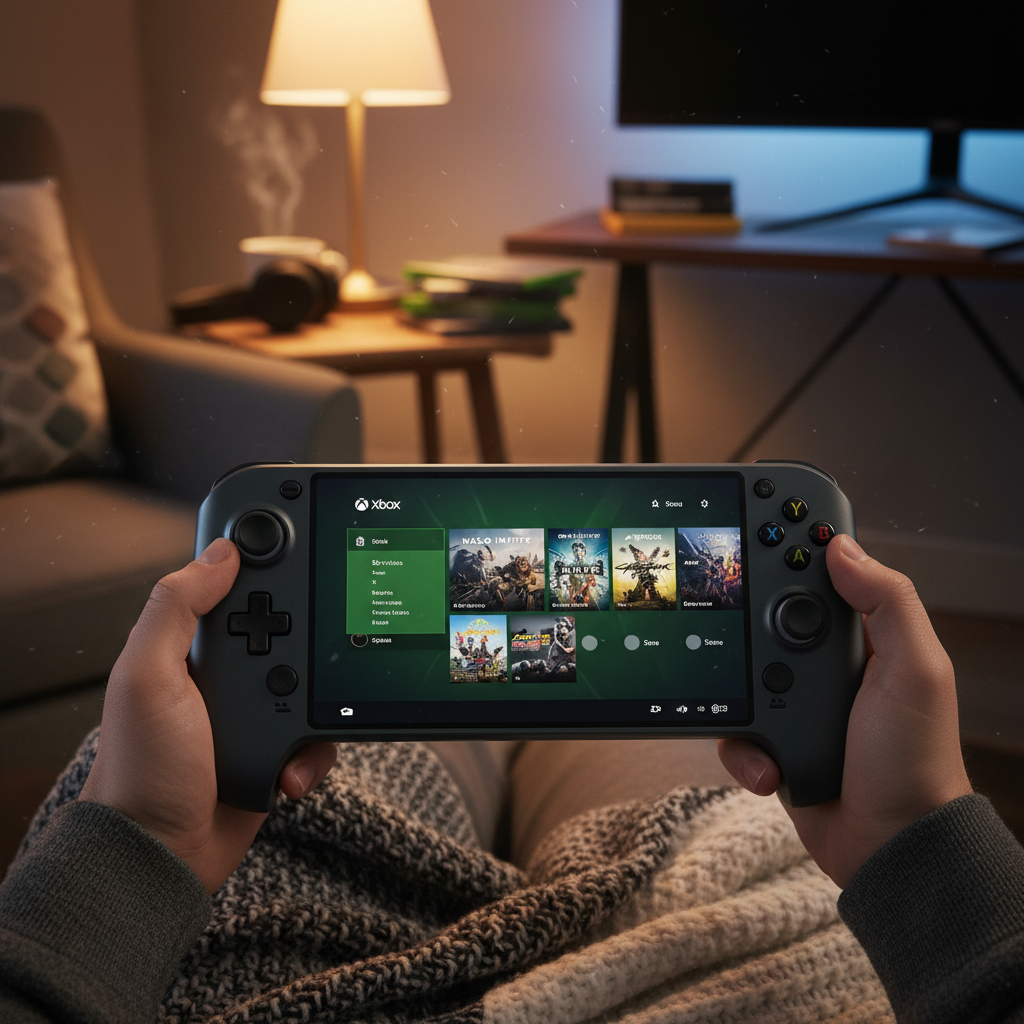
Microsoft has demonstrated its commitment to handheld gaming by launching a new Xbox-branded user interface that caters to handheld devices such as the ROG Xbox Ally. It’s a significant step forward. Microsoft’s initiative benefits the tech giant itself as well as PC gaming fans who have faced persistent Windows limitations on portable devices.
Valve’s Steam Deck running on SteamOS and Linux has dominated the handheld market space with little to no competition until now. Despite its limitations which include only being able to run Windows games through Proton by default the Steam Deck has shown that consumers desire a gaming platform that operates independently from Windows. Proton compatibility has steadily improved. You have the option to add additional storefronts or applications. While SteamOS offers an alternative platform SteamOS fails to function as a direct plug-and-play replacement for Windows.
The partnership between Microsoft and Asus provides a solution to this challenge. Microsoft and Asus are working together to close the functionality divide by providing a SteamOS-like experience that operates alongside Windows. The ROG Xbox Ally handheld replaces Windows desktop-and-taskbar graphics with an interface optimized for gamepad control. The interface provides a fullscreen tile-based user experience that mimics the familiar layouts of Xbox consoles and Nintendo Switch devices.
Microsoft informed The Verge that the Xbox interface launch will begin with the ROG Xbox Ally. However, it won’t stop there. The company announced that the new interface will soon become available to additional Ally handheld devices. Starting next year other Windows-based handheld devices will receive a new “similar” user interface.
And this isn’t coming out of nowhere. Microsoft reportedly worked on this interface since 2022. At an internal hackathon that year employees developed a presentation which introduced the concept of “Windows Handheld Mode” to address issues such as awkward touch support and inadequate controller mapping outside of Steam while using handhelds. Several previously proposed concepts appear to have been integrated into the latest Xbox interface.
The new Xbox interface achieves greater efficiency by eliminating numerous background services and minimizing heavy UI elements which are common in traditional Windows installations. The ROG Xbox Ally functions without the standard Windows interface. Microsoft explains that their new setup achieves RAM conservation alongside power usage reduction which becomes critical when aiming to improve performance on devices with limited battery power.
That efficiency matters. The original Windows version installed on devices such as the ROG Ally includes performance limitations. Your operating system includes Windows with the added functionality of Asus’ Armoury Crate software that allows control management alongside performance mode adjustments. The new Xbox UI trims that fat.
But don’t worry: The new interface does not restrict users to its design. Microsoft confirms that users will maintain access to the traditional desktop UI on the ROG Xbox Ally. You just need to deliberately launch it. The dual-mode setup provides users with the option to use Xbox UI for gaming while keeping classic Windows for other tasks.
This move, however, isn’t just about convenience. It’s also a response to mounting pressure. Microsoft’s response to Valve’s expanding Steam Deck success has been notably sluggish. During its initial launch period the Deck showed signs of being rough around the edges. Its early builds were clunky. Compatibility was limited. The Steam Deck built its dedicated user base while significantly boosting Linux gaming into mainstream acceptance. The SteamOS operating system now runs the Steam Deck and is expanding to additional handheld and mini PC devices which include products from Asus.
The time Microsoft wasted allowed Valve to flourish in the market. The Wine project along with Proton has undergone major upgrades which make Linux-based gaming of Windows titles more feasible. SteamOS has shed its niche product image. It’s maturing. It’s expanding. And most critically—it’s not Windows.
Despite these developments Linux has not yet caused a widespread shift away from Windows among consumer PC users. The future may already be determined. Linux finally exceeded a 4% market share threshold during the previous year. The percentage doesn’t represent a majority yet it isn’t completely insignificant. The universal compatibility promise has driven Windows success throughout many years. Everything worked. Playing PC games meant you had to run Windows almost every time.
Proton together with similar applications has the potential to break that established cycle. Microsoft’s dominance over the gaming ecosystem diminishes as gamers and developers find ways to access both old and new content outside of Windows. The difficulty with installing and operating modern Windows versions enhances SteamOS’s attraction as a streamlined platform.
Microsoft is trying to recover lost ground by launching a new handheld gaming experience under its Xbox brand. The future will determine whether this moment has passed. The rules of engagement have transformed completely.
And Microsoft finally knows it.