
AI-generated illustration; not a photograph of the reported event.
- calendar_today November 5, 2026
Understanding Why Pipes Freeze
Dealing with frozen pipes can quickly turn into a costly disaster during winter months. When temperatures drop, the water inside your pipes can freeze and expand, potentially causing cracks or even bursts. This leads to water damage and expensive repairs. The good news, according to plumbing experts, is that frozen pipes are largely preventable with some proactive steps and affordable products.
Why and Where Pipes Freeze
Pipes are most vulnerable to freezing when they are exposed to cold temperatures without enough insulation or heat. Steve Clemente, president and COO of Benjamin Franklin Plumbing, emphasizes that outdoor plumbing and pipes running through unheated areas like attics or basements are at particular risk. When water freezes, it expands, and that pressure can burst pipes, leading to significant water damage.
The first signs of trouble often appear when a faucet barely runs or only produces a trickle. Frost on exposed pipes or unusual sounds from plumbing can also signal an issue. Experts warn that even if a frozen pipe doesn’t burst right away, ignoring it can have serious consequences later.
How to Prevent Frozen Pipes: Products and Solutions
Plumbers recommend several products to protect your pipes:
- Heat tape: This wraps around pipes, valves, and fittings to help retain heat and prevent freezing. The adhesive backing makes it easy to install, and it resists mold.
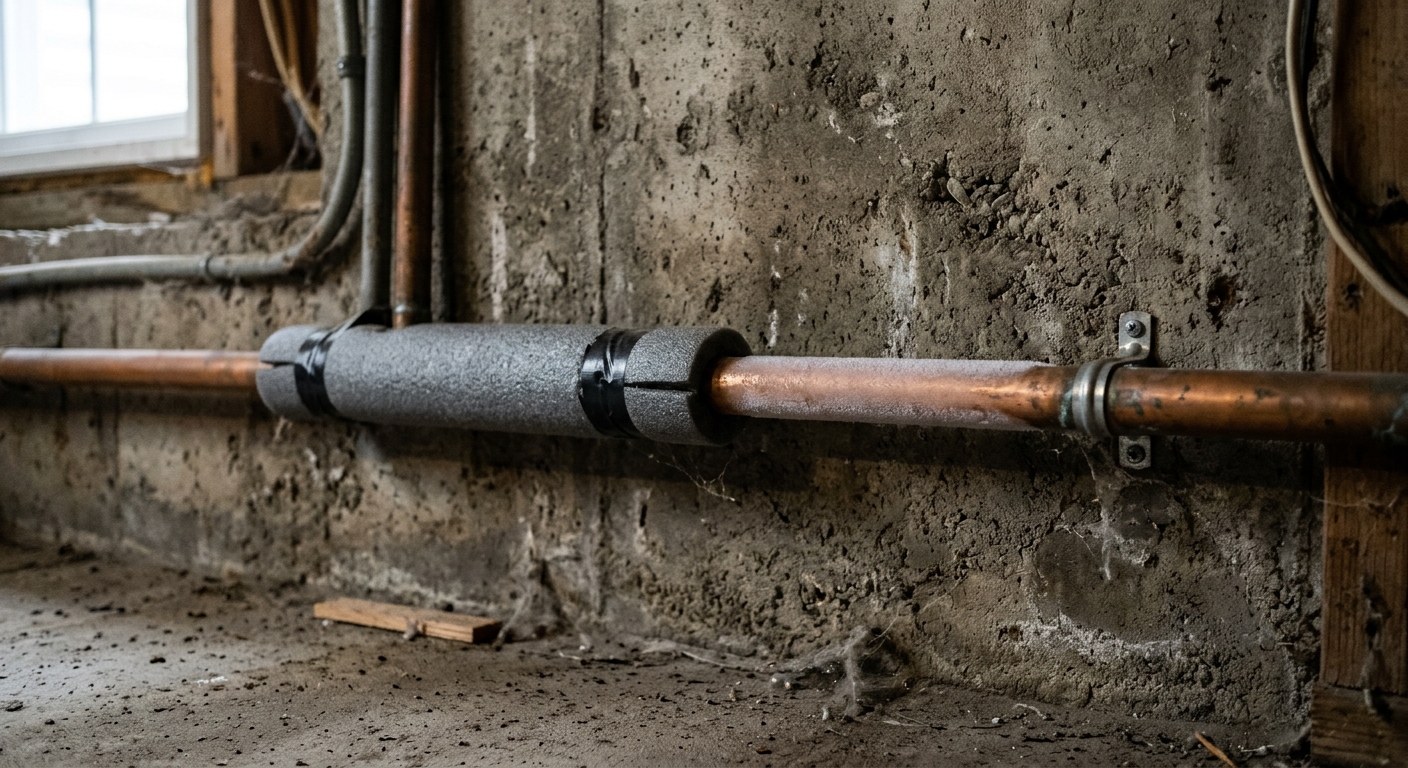
- Foam pipe covers: As suggested by Mike Rippel, owner of Quality Pro Services, foam covers fit over pipes to provide insulation. They are easy to cut to length and remove after winter.
- Outdoor faucet covers: These covers slip over exterior spigots, providing insulation with a polyester shell and cotton lining. They shield faucets from frost and freezing temperatures and feature reflective strips for visibility.
- Smart sensors: These devices monitor water temperature and flow, sending alerts if freezing risks develop or if leaks occur. Some models can shut off the water supply automatically for added protection.
Other Preventive Steps for Pipe Burst Prevention
Beyond products, experts recommend several practices:
- Prep outdoor plumbing: Before cold weather, disconnect garden hoses and drain outdoor water lines you won’t need.
- Insulate exposed pipes: Pay special attention to any pipes in unheated spaces like attics and basements.
- Keep your heating system on: Maintain a low heat setting even when away from home to avoid cold indoor temperatures.
- Let faucets drip: Running water at a slow, steady drip during freezing weather helps prevent water in pipes from freezing.
When Do Pipes Freeze? Understanding Pipe Freeze Temperatures
Pipes can begin to freeze when exposed to temperatures below 32 degrees Fahrenheit, according to Clemente. However, the speed and severity depend on insulation quality and how long the cold lasts. Pipes outdoors or in unheated locations stay cold for longer periods, so extra precautions are vital for those areas.
Spotting and Dealing With Frozen or Burst Pipes
If you notice water isn’t running or only trickling from your faucet, or see frost on your pipes, you may be dealing with a frozen pipe. Cracks and bursts usually occur when frozen water expands, but leaks may not appear until the ice inside thaws. Water damage can rapidly affect drywall, flooring, and insulation, especially if the pipe is inside a wall or ceiling.
If a pipe bursts, the number one priority is to shut off your home’s main water supply immediately. Knowing the location of your water shutoff valve in advance and ensuring it works is essential for a fast response. After stopping the water flow, contact a licensed plumber to assess the damage. If any electrical outlets or panels are wet, turn off power to those areas to stay safe. Take photos for your homeowner’s insurance, as many policies cover sudden water damage from burst pipes.
Expert Insights
Steve Clemente and Mike Rippel bring years of plumbing experience to these recommendations. Their advice provides a practical, actionable guide to help homeowners prevent frozen pipes during the winter.
Source: nbcnews.com.