
- calendar_today August 8, 2025
Tariffs, Trade Wars, and the Future of High-End Automobiles
Introduction
North America’s luxury vehicle market is living through a trying time as past President Donald Trump’s trade regime continues to play out in worldwide markets. From tariffs on integral automotive imports, renegotiated international trade deals, and a strong focus on at-home manufacturing, luxury manufacturers including BMW, Mercedes-Benz, and Audi are confronting a difficult environment. The pressure is felt everywhere in the business, from influencing prices, and production to causing consumer demand issues.
Tariffs and Supply Chain Disruptions
One of the most impactful trade actions taken under the Trump administration was imposing tariffs on steel and aluminum imports. These components are essential to the production of automobiles, and the added charges have increased the cost of production for high-end automakers. International supply chain-dependent firms, especially European and Asian-based automakers, have been compelled to alter their prices or incur additional expenses.
In addition, the ongoing uncertainty about possible tariffs on European and Chinese automobile imports prompted manufacturers to reassess their supply chains. While some brands redirected production to North America to lower risks, it has been a slow and expensive process.
Effect on Prices and Consumer Demand
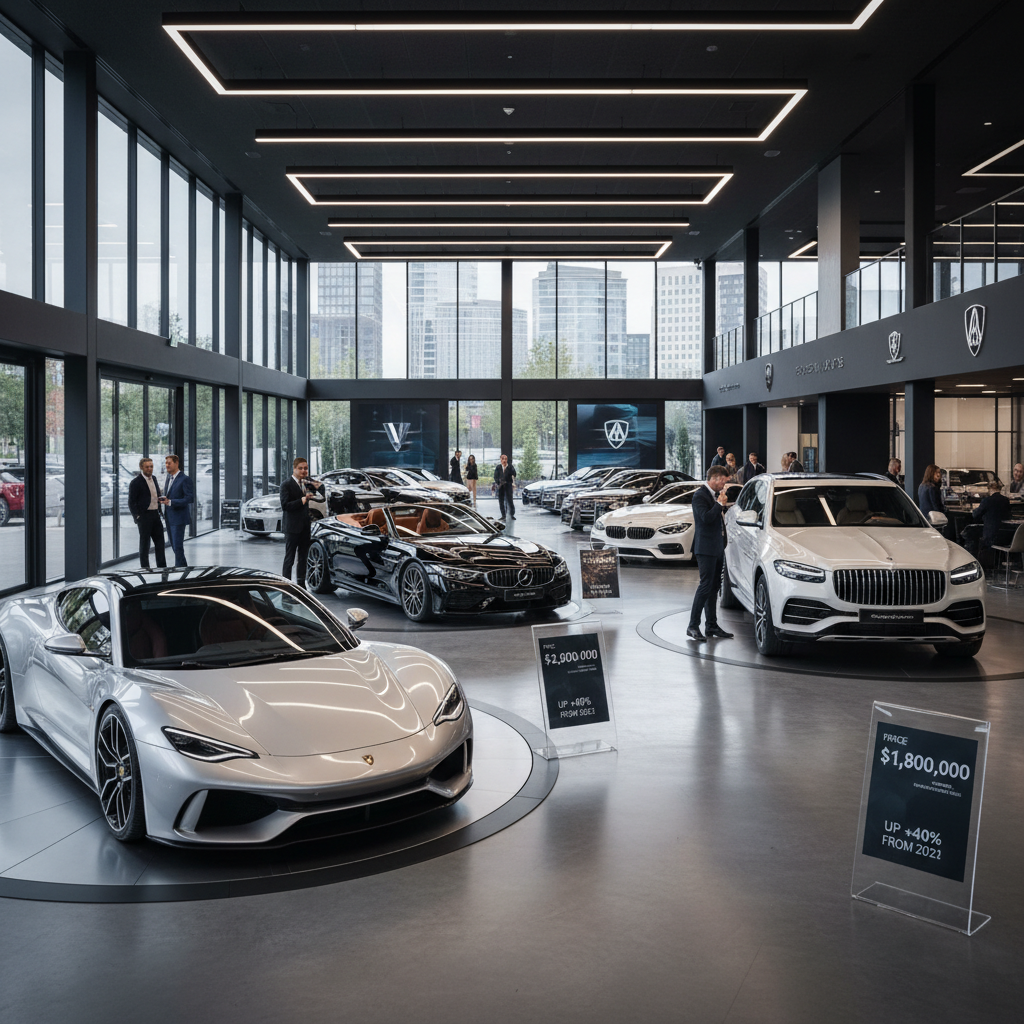
Higher production costs have naturally resulted in higher vehicle prices. Luxury automobile buyers in the U.S. and Canada have been experiencing higher sticker prices, making high-end vehicles less affordable. Some manufacturers have tried to balance these costs with incentives and financing, but demand overall has softened, especially in price-sensitive portions of the luxury market.
Furthermore, the pre-owned luxury car market has also witnessed more activity, as consumers who would have otherwise chosen new cars are now switching to used ones. This consumer trend is also disturbing new car sales and inventory management.
Trade Agreements and Manufacturing Strategy
Trump’s renegotiation of NAFTA in the form of the United States-Mexico-Canada Agreement (USMCA) imposed new obligations on automakers, such as higher North American content requirements and greater labor wage mandates. While those policies were designed to support domestic production, they have also imposed complexity and expense on manufacturing for luxury automakers, several of which have dependence on worldwide supply chains.
European car manufacturers that have U.S. plants, like BMW in South Carolina and Mercedes-Benz in Alabama, have had to adapt operations as a result of the shifts. They have reduced some investment plans or revisited long-term strategies to counter the altered trade landscape.
The Road Ahead: Will Policies Change?
With Trump suggesting a possible 2024 run and ongoing Republican control of trade policy, the auto sector continues to be in limbo. Although the Biden administration has kept some of Trump’s tariffs in place, any change in leadership may continue to change trade agreements and tariff regimes. Luxury carmakers need to remain nimble in the face of possible policy reversals or increases.
Conclusion
Trump’s trade policies have etched a lasting legacy on North America’s luxury car industry, from production expenses to market purchase options. As manufacturers maneuver through tariffs, supply chain interruptions, and changing trade arrangements, the industry’s flexibility to adjust will set the stage for future stability. Whether changes in policy result in relief or continued complications are yet to be determined, but for the time being, the luxury car industry remains on an uncertain path.