
- calendar_today August 12, 2025
U.S. Real Estate 2025: A Stabilizing Market Demands Strategic Moves
The American real estate market in 2025 is moving away from the volatility of recent years and into a more measured phase. After a period marked by sharp price fluctuations and shifting buyer patterns, home values are now stabilizing across the country. February data from the National Association of Realtors (NAR) shows a 4.2% month-over-month rise in existing-home sales, though the volume is still trailing slightly behind last year’s pace.
With mortgage rates holding steady at around 6% and inflation easing to 2.8% as of March, the current environment favors informed, strategic investment over hurried decisions. Investors are weighing options carefully, recognizing that returns in 2025 depend largely on choosing the right locations and asset types.
Rental Communities Rise as Homeownership Slows
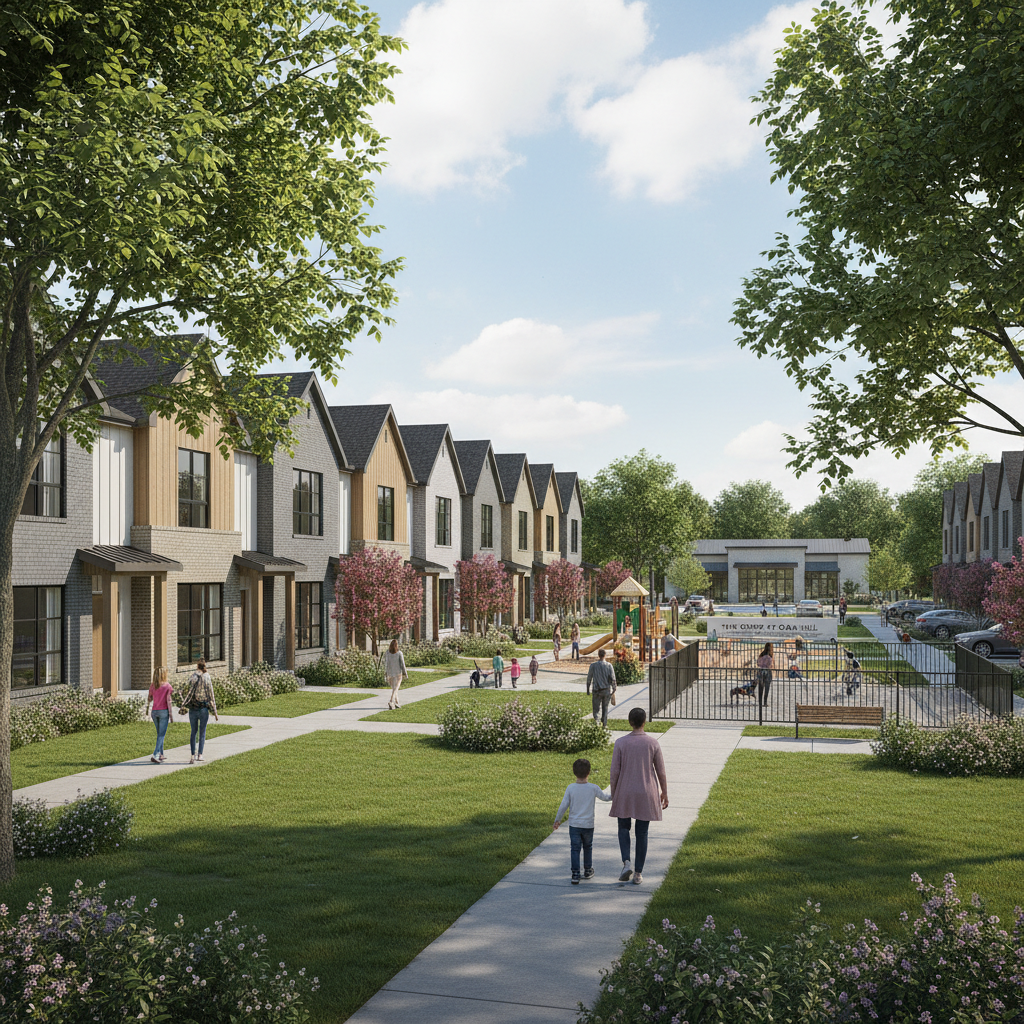
One prominent trend reshaping the market is the rapid growth of build-to-rent developments. Entire neighborhoods designed for renters are multiplying across suburban areas and Sun Belt cities. Research from Yardi Matrix reports more than 100,000 such units in progress nationwide.
This boom is largely a response to ongoing affordability pressures. Millennials burdened by student loans and Gen Z workers cautious about purchasing in a high-interest-rate environment are finding these rental communities an attractive alternative to both traditional renting and homeownership.
New Hotspots for Investors: Beyond the Big Cities
While coastal metros like San Francisco and New York remain sluggish, smaller cities are thriving. Buffalo, New York, for instance, has emerged as the hottest housing market for 2025, according to Zillow, driven by a combination of affordability and job market expansion.
Similar momentum is evident in markets like Charlotte, Raleigh, and Louisville. These smaller metros are not just appealing to buyers; they are also attracting businesses looking for cost savings and access to a more flexible workforce—factors that point to strong future real estate appreciation.
Rates and Inflation Provide Some Relief
The Federal Reserve’s consistent rate policy—keeping interest rates between 4.25% and 4.5%—has stabilized financing conditions. Combined with a cooling inflation rate of 2.8%, this predictability offers investors a firmer foundation for planning purchases and portfolio strategies.
However, with mortgage rates around 6%, affordability remains a significant barrier for many would-be homeowners. This dynamic continues to bolster the rental market, providing investors with opportunities in multifamily and single-family rental spaces.
Commercial Property: A Sector in Transition
Commercial real estate continues to face headwinds, particularly in office space. Vacancy rates remain elevated in major downtown areas, with some exceeding 20%, according to CBRE. The shift toward remote and hybrid work has permanently altered office space demand.
Meanwhile, the retail sector is undergoing transformation, as traditional malls adapt into mixed-use spaces combining housing, shopping, and work environments. Industrial real estate, fueled by e-commerce and regionalized supply chains, remains a strong performer, particularly in Midwestern and Southern markets.
Diversifying Through REITs and Funds
Investors wary of direct property ownership are turning to REITs and ETFs for more flexible real estate exposure. Funds like the Vanguard Real Estate ETF (VNQ) have shown strong performance, with a 9% gain over the past 12 months.
Residential-focused REITs are leading the way, outpacing those tied to office and retail properties. A diversified approach remains crucial, as different segments of the real estate market are experiencing vastly different trajectories.
Challenges and Opportunities Ahead
Looking forward, investors should monitor a range of factors, including political developments, modifications to the Inflation Reduction Act, and global economic shifts. Environmental risks are also becoming central to investment decisions, with climate-related events influencing property valuations and insurance costs.
While 2025 may not offer the easy profits of years past, real estate remains a viable long-term investment for those willing to adapt, research thoroughly, and make informed, strategic choices.