
- calendar_today October 14, 2026
The Price Tag May Be Facing Extinction
The traditional price tag, a familiar fixture in retail environments for over a century, may be at risk as advances in artificial intelligence (AI) technology begin to reshape how retailers set prices. According to experts, the adoption of AI pricing models could lead to a new era in which prices are no longer fixed for all customers, but instead personalized based on individual consumer data.
From Dynamic Pricing to Personalized Pricing
AI-enhanced pricing continues the evolution from dynamic pricing, which retailers and service providers have used for decades to adjust prices according to supply, demand, time of day, and even weather conditions. Today, retailers are experimenting with a more granular approach, informally referred to as personalized or “surveillance” pricing, according to Lindsay Owens, CEO of the nonprofit think tank Groundwork Collaborative.
With sophisticated AI tools, companies can process and analyze vast amounts of consumer data, enabling them to set different prices based on who the shopper is, where they live, and other personal characteristics. This level of individualized pricing, noted by analysts at Cornerstone Research in a 2025 report, represents a significant shift toward more dynamic and individualized retail experiences.
Consumer Data and the Concept of Price Discrimination
AI technology allows retailers to leverage the massive amounts of consumer data they already collect, such as shopping habits and demographic factors, to potentially maximize profits. Rather than pricing goods based solely on their value or cost, companies can use AI to estimate the highest price an individual consumer may be willing to pay—a form of price discrimination enabled by advanced algorithms and data analysis.
Examples from ride-sharing companies demonstrate how prices can fluctuate due to demand and supply. However, AI pricing could go further by incorporating consumer profiles, meaning two shoppers could see different prices for the same items, with the mechanisms behind these prices largely invisible to the consumer.
Real-World Trials and Retailer Responses
In December, Groundwork Collaborative and Consumer Reports highlighted an Instacart trial that used AI to display different prices for identical products to different customers. The pilot, following Instacart’s 2022 acquisition of AI pricing platform Eversight, demonstrated how grocery baskets with the same items could cost up to 23% more for certain shoppers. For a family of four, this price difference could mean about $1,200 more in annual expenses, according to the study.
Instacart challenged these findings, stating that the $1,200 estimate was based on an atypical basket with maximal price differences, and asserted that it does not base prices on sensitive personal data, such as race or gender. In response to scrutiny, Instacart announced in December it would end the practice of using AI to enable retailers to charge different prices for the same products on its platform.
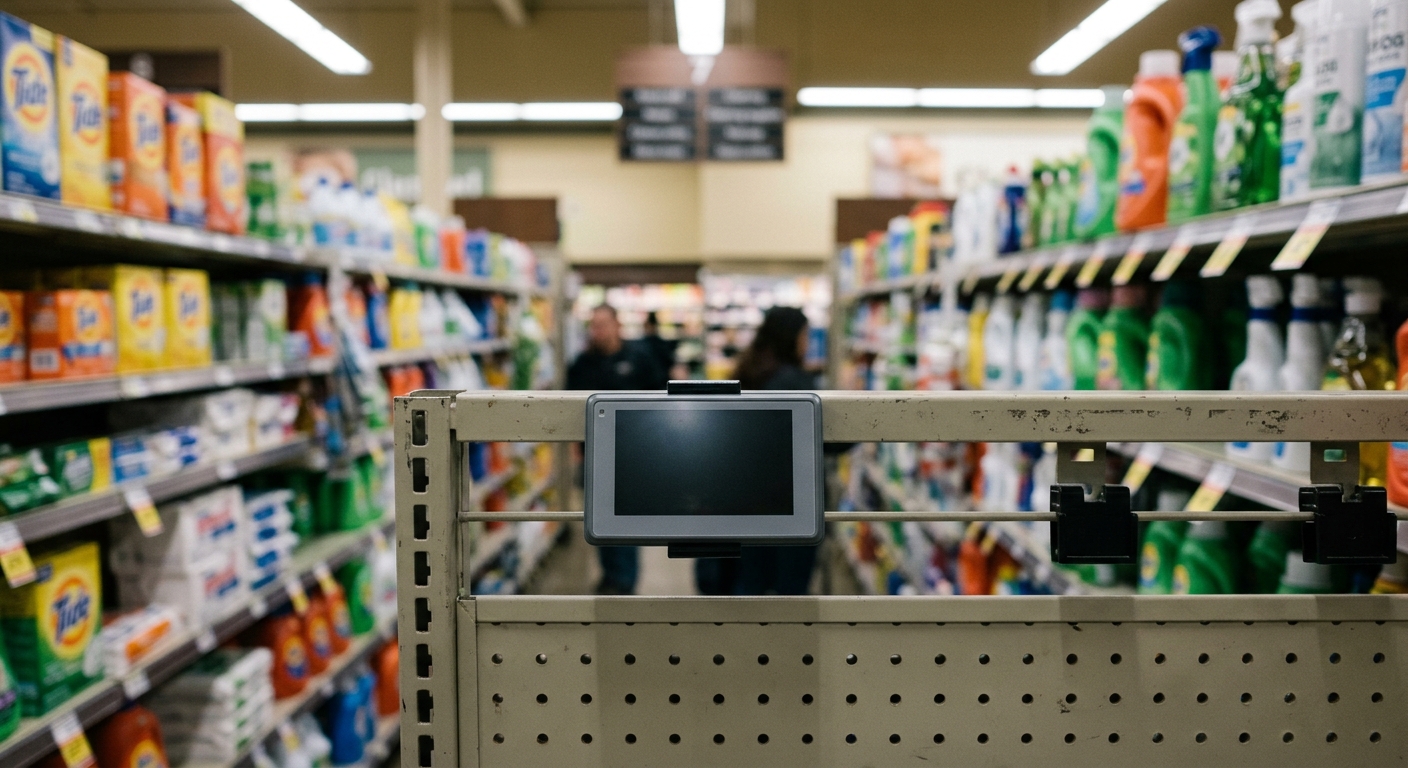
Other large retailers have also explored AI-enabled personalized pricing. Groundwork Collaborative’s research found that Walmart applied for patents on technology capable of using consumer profiles and electronic shelf labels to display individualized prices in stores. For instance, a shopper purchasing tuna could be offered a different price for mayonnaise based on the items in their cart. Walmart, however, denies using personal data for pricing and rejects the practice of dynamic or individualized pricing.
Implications for Consumer Protection and Pricing Transparency
Lindsay Owens warns that eliminating universal price tags undermines predictability for consumers, especially those on a budget. The shift towards more opaque and variable prices could complicate budgeting for shoppers.
Jay Zagorsky, a senior lecturer at Boston University’s Questrom School of Business, notes the challenges of ensuring transparency and consumer trust if retailers adopt these practices. He cautions that businesses are unlikely to disclose personalized pricing strategies, as they could face backlash from consumers who value pricing transparency and fairness. “The days when the price you saw stayed fixed for a relatively long period of time appear to have passed,” he remarked.
The Future of Retail Innovation
While AI pricing offers potential benefits for retailers in terms of increased flexibility and efficiency, it raises significant issues about fairness, transparency, and consumer protection. As more retailers explore these technologies, experts and advocacy organizations are closely tracking their potential impact on shopping behavior and the traditional concept of the fair price tag.
Source: cbsnews.com.