
- calendar_today October 14, 2026
Inflation Accelerates in September
The annual rate of inflation in the United States rose to 3.7% in September as energy costs surged, according to new government data. This increase is highlighted in the latest Consumer Price Index (CPI) report, signaling persistent price pressures just weeks before the upcoming midterm elections.
Analyzing the Consumer Price Index Data
The Consumer Price Index tracks the changes in prices for a selection of popular goods and services over time. Economists had anticipated a 3.6% annual increase for September, but the actual data outpaced these expectations. After holding steady at an annual pace of 3.4% for two months, inflation increased, marking a notable shift in the trend.
Core inflation, which excludes volatile categories such as energy and gas, climbed 2.6% year over year. This rate was up from August's 2.4% and higher than economists' projections of 2.5%.
Energy and Gasoline Prices Drive Inflation Surge
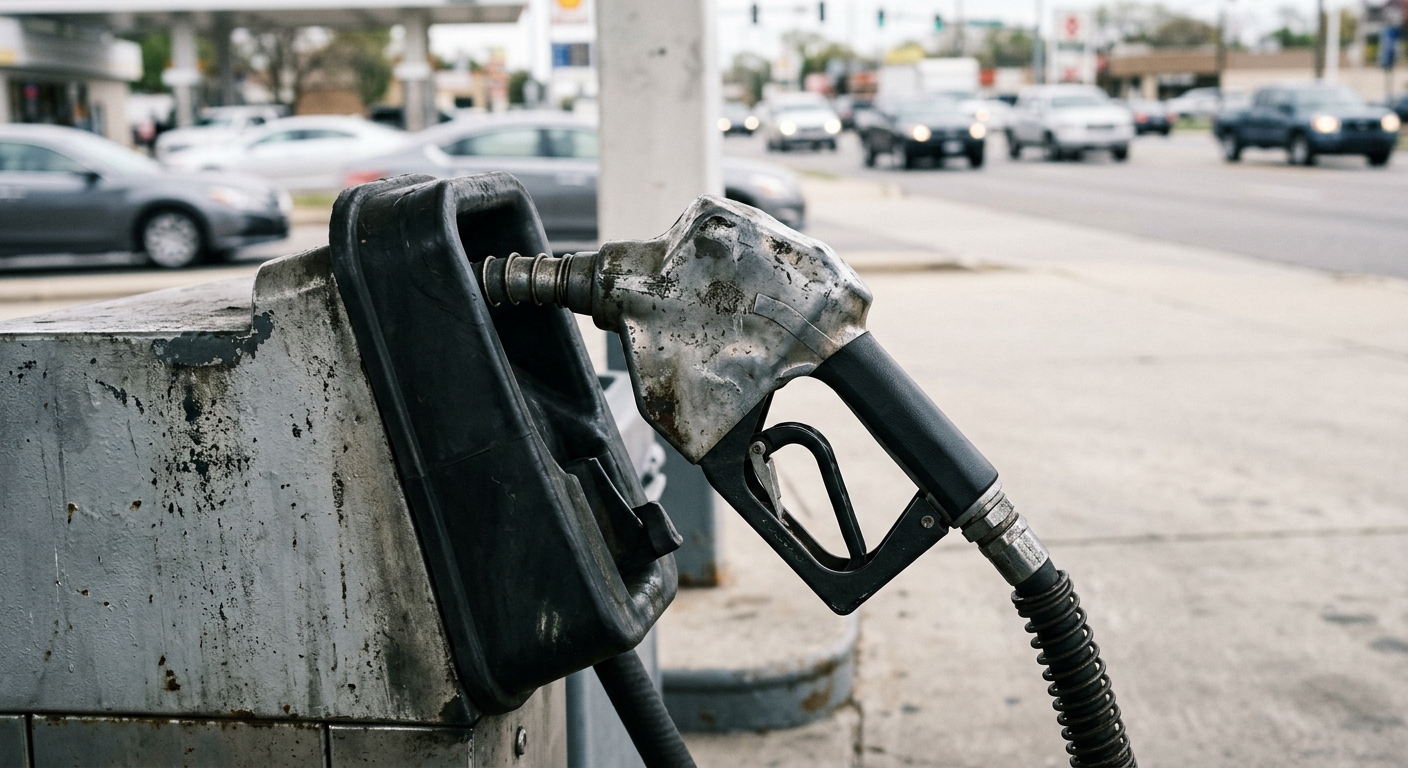
Much of the inflation surge can be traced back to soaring energy prices. The Labor Department indicated that in September, gasoline prices leapt 9.1% from the previous month. Energy prices overall rose 20.4% compared to last year, while gasoline specifically soared by an astonishing 34.2%.
Although there has been a slight cooling in gas prices in recent weeks, they remain elevated. The national average for a gallon of gasoline reached $4.33 as of Wednesday, according to AAA, compared to $2.98 before the onset of conflict in the Middle East and Eastern Europe. Diesel prices, which impact transportation costs for goods, set a new high of $6.29 per gallon in late September.
The increased cost of diesel raises transportation costs, which often leads to higher consumer prices for everyday items such as groceries.
Broader Price Pressures and Economic Impact
Energy costs are not the only contributors to rising inflation. The CPI report noted that airline fares surged 22.4% year over year. In addition, price increases in the shelter and used car categories further elevated the core inflation rate. These broad price pressures suggest inflation is seeping into multiple sectors of the economy.
Wall Street analyst Adam Crisafulli, head of Vital Knowledge, commented that the CPI report "was clearly hot" and emphasized energy's "huge role" in driving up costs. He also suggested that as conflicts in the Middle East and Ukraine escalate, energy costs may remain high for some time.
According to a recent CBS News poll, 90% of Americans report that prices are the most significant factor shaping their economic outlook.
Implications for the Federal Reserve and Interest Rates
The September inflation figures have intensified speculation regarding the Federal Reserve's next move on interest rates. With consumer prices increasing above the central bank's 2% annual target, some economists predict additional rate hikes may be forthcoming.
David Royal, chief finance and investment officer at Thrivent, stated, "Today's hotter-than-expected CPI report shows that inflation is still well above the Fed's target, and that the current rate-hiking cycle isn't likely to end anytime soon."
In September, the Federal Reserve raised interest rates for the first time since 2023, setting the federal funds rate between 3.75% and 4%. Fed officials have signaled the possibility of further increases at policy meetings scheduled for October 27-28 and December 8-9.
Stephen Brown, chief North America economist at Capital Economics, noted, "This is the type of move that could prompt the Fed to pull the trigger on another hike this month, rather than wait as Fed officials have recently suggested." He reported that market expectations for another rate hike in October climbed significantly after the CPI data was released.
Conclusion
September's inflation surge—led primarily by energy and transportation costs—raises pressing questions about the Federal Reserve's response and the broader impact on consumers. With persistent price pressures and global conflicts affecting energy markets, inflation remains a top concern for Americans heading into the midterm elections.
Source: cbsnews.com.