
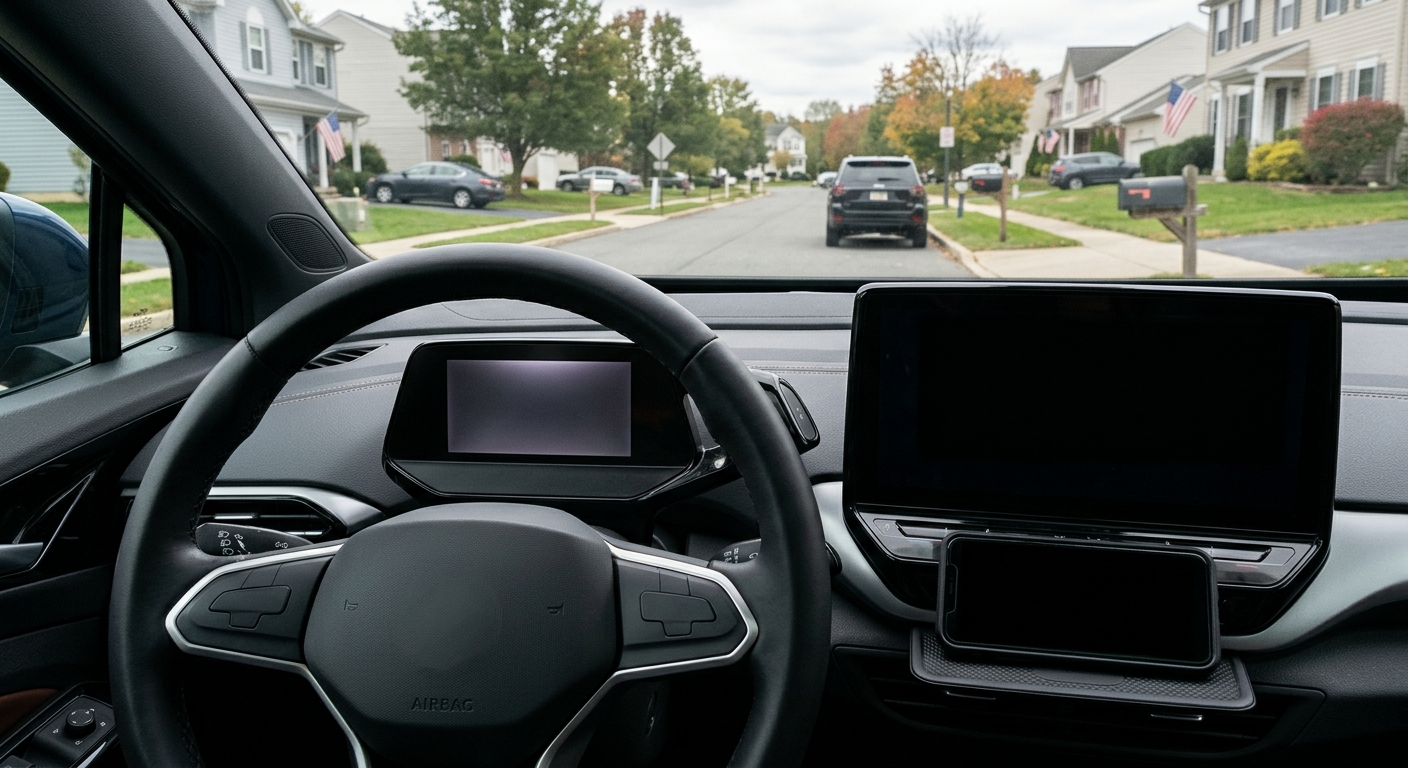
AI-generated illustration; not a photograph of the reported event.
- calendar_today November 14, 2026
Ford Introduces New Privacy Promise for Drivers
Ford has announced a new privacy initiative, pledging greater transparency and control regarding the data collected by its vehicles. Unveiled on November 2, the policy aims to inform owners about what personal information their cars collect, how it’s used, and what options drivers have to manage their privacy. Ford’s commitment specifically states that it will not sell data about customer driving behavior to insurance companies or data brokers—a promise welcomed by privacy advocates, but with important caveats for vehicle owners.
What Data Can Your Ford Collect?
Modern Ford vehicles come equipped with a host of sensors and connected features that collect a wide array of data. The variety and scope depend on the specific model, installed technology, and selected privacy settings. Types of collected data may include:
- Vehicle location: Enables features like navigation and roadside assistance.
- Driving behavior: Tracks speed, braking, and general operation of the vehicle.
- Vehicle health: Reports on diagnostics like tire pressure and potential issues.
- Vehicle identification: Includes the VIN and software versions.
Sharing certain data provides practical benefits, such as receiving diagnostic alerts or personalized offers. However, as Ford increases the connectivity of its fleet—especially with upcoming electric vehicle models—it’s crucial for drivers to understand and review their data-sharing settings.
New Industry Scrutiny and Ford’s Public Pledge
Ford’s privacy announcement arrives as automotive data practices face heightened legal and public scrutiny. On October 29, a $220 million settlement involved General Motors, following accusations that customer driving and location data were sold to third parties, including insurance companies. In light of such developments, Ford’s explicit commitment not to sell driving behavior data sets it apart, though it does not cease all data collection. The company says information from connected cars continues to support services and technological improvements but promises to respect drivers’ individual privacy settings.
The Trade-Off: Privacy Versus Connected Features
While Ford allows customers to disable connected vehicle data sharing, doing so may reduce or eliminate several conveniences, depending on the vehicle’s configuration. Features potentially impacted include:
- Remote start via the Ford app
- Connected navigation and live traffic updates
- Vehicle location services for finding a parked car
- BlueCruise hands-free driving assistance
- Over-the-air software updates
- Connected roadside assistance
Some features such as Apple CarPlay, Android Auto, local Bluetooth, and regular radio remain functional even if certain data sharing is disabled. However, availability depends on the particular vehicle and settings. Ford encourages users to review all options before making changes, as disabling some sharing preferences does not automatically disconnect every service.
Controlling Your Ford’s Data Sharing and Privacy Settings
Ford provides multiple avenues for customers to review and adjust data-sharing preferences:
Inside the Vehicle
- Access Settings from the center touchscreen.
- Select Vehicle Connectivity or similar options.
- Review and adjust data sharing for vehicle data, driving data, and location.
Through the Ford App
- Open the Ford app and navigate to Legal and Privacy within Settings.
- Set preferences for data shared with Ford or third parties.
For those selling or trading in their Ford, a factory reset is recommended to clear stored personal data, though any information already sent to Ford must be addressed separately.
Limits and Exceptions of Ford’s Privacy Commitment
Ford’s promise not to sell driving data is specific, but the company still collects and shares information under certain circumstances outlined in its privacy notice. This includes necessary service providers, legal requests, or emergencies. Additionally, some location data may still be gathered for theft alerts or legal compliance, even if sharing is otherwise disabled. Drivers should remain vigilant, as privacy controls for Ford vehicles are separate from those in connected smartphone apps or insurance monitoring programs, which may independently collect driving information.
Key Takeaways for Ford Owners
Ford’s new privacy policy encourages customers to review what data their vehicles collect and share. Turning off data sharing may limit some high-tech features, so owners should weigh privacy needs against desired conveniences. The announcement highlights the growing importance of car data privacy in an increasingly connected automotive landscape. Ford’s move could set a precedent for other manufacturers, but the effectiveness of such promises will be tested as vehicles evolve.
Related coverage
Source: foxnews.com.