
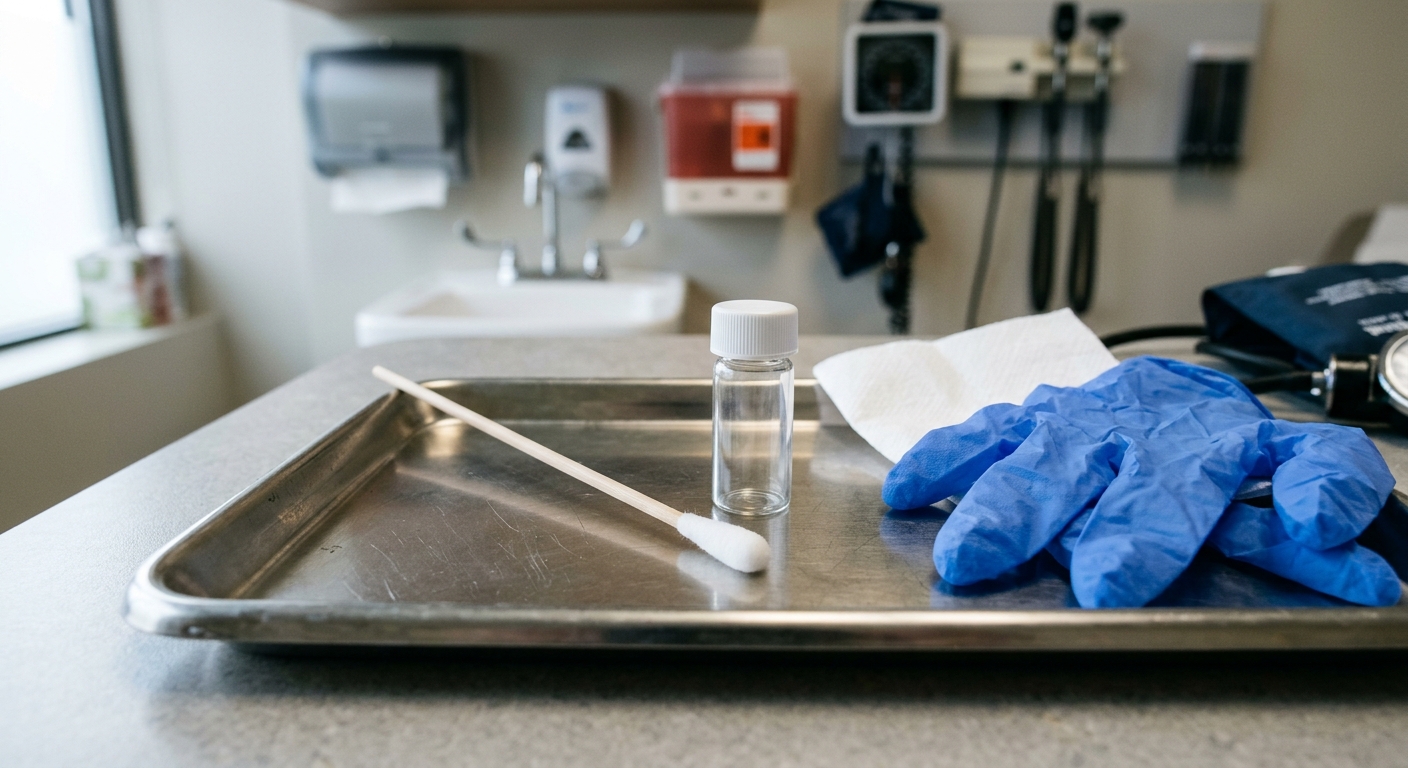
AI-generated illustration; not a photograph of the reported event.
- calendar_today November 21, 2026
Federal Panel Proposes Shift Toward HPV Screening
For the first time, federal guidance is set to advise women ages 30 to 65 to undergo human papillomavirus (HPV) screening instead of the traditional Pap test. The proposed recommendation, though not yet final, comes from the U.S. Preventive Services Task Force (USPSTF) following a closed-door vote at the end of a two-day meeting. This change could affect how millions of women in the United States are screened for cervical cancer.
Research Sparks Changes in Screening Recommendations
Cervical cancer remains one of the most preventable forms of cancer. However, recent studies indicate the U.S. is losing ground in the early detection of the disease. HPV is the most common sexually transmitted infection and is responsible for virtually all cervical cancers. Previous USPSTF guidelines allowed women ages 30 to 65 to choose among a Pap test every three years, an HPV test every five years, or both every five years. The new guidance now favors the HPV test for this age group and introduces the option for women to self-collect their samples for HPV screening—a significant change aimed at broadening access.
Impacts of the HPV Screening Recommendation
The USPSTF, an independent panel primarily composed of primary care physicians, wields considerable influence. Under the Affordable Care Act, most private insurers are required to cover recommended preventive services at no cost to patients. While a spokesperson for the task force did not respond to requests for comment, the impact of the panel's recommendations could be substantial once finalized.
Under current recommendations, women aged 21 to 29 are still advised to have a Pap test every three years. The Pap test has been the standard for decades, detecting abnormal or precancerous cervical cells. In contrast, HPV testing screens for high-risk HPV strains linked to cervical cancer and can often identify issues earlier, allowing for less frequent testing intervals.
Expert Perspectives: Access and Accuracy
Dr. Sangini Sheth, associate professor at Yale School of Medicine, highlighted that self-collected HPV tests could expand screening to more women—particularly those who find traditional exams uncomfortable or inaccessible. "The self-collection is great for people who might have a hard time tolerating a speculum exam, and it also broadens our ability to offer screening in different scenarios, through mobile health clinics, maybe through a freestanding lab or in medical specialty offices where traditionally pelvic exams aren’t being done," Sheth explained.
Robert Smith, cancer epidemiologist and senior vice president of early cancer detection science at the American Cancer Society, said, "Collecting a specimen is pretty easily accomplished and it really has equivalent accuracy with a physician-collected specimen." Smith also mentioned that many women avoid Pap tests due to discomfort or because the procedure feels invasive, particularly when performed by a male physician. He expects self-collection options to increase screening rates.
Supporting Evidence and Differences in Guidelines
A 2018 study published in the Journal of the American Medical Association found that HPV tests detect precancerous cervical changes earlier and more accurately than Pap tests, using data from more than 19,000 women. Sheth noted that the Pap test can miss 30% to 50% of abnormalities, while HPV screening offers greater sensitivity. "There’s really not a downside to not having that Pap," she said.
The American Cancer Society shifted its own guidelines in 2020 to prioritize HPV testing, recommending it begin at age 25. In comparison, the USPSTF suggests Pap testing from ages 21 to 29 and switching to HPV testing at 30. There are additional differences for self-collection: the American Cancer Society advises testing every three years, citing a need for more long-term data before endorsing a five-year interval for this method.
Next Steps and Ongoing Discussions
The USPSTF’s recommendations become official after publication, though a timeline is not currently known. It is also uncertain whether Health Secretary Robert F. Kennedy Jr. will review or modify the guidelines, as he has authority over the panel following a Supreme Court ruling. The American College of Obstetricians and Gynecologists has stated it is monitoring the process and will evaluate any final changes.
The panel also clarified that women should discontinue screening at age 65 only if they have had several consecutive negative test results in the past decade. Women without this screening history are advised to continue testing.
Related coverage
Source: nbcnews.com.