
- calendar_today October 13, 2026
Soaring Fuel Costs at the Heart of U.S. Inflation
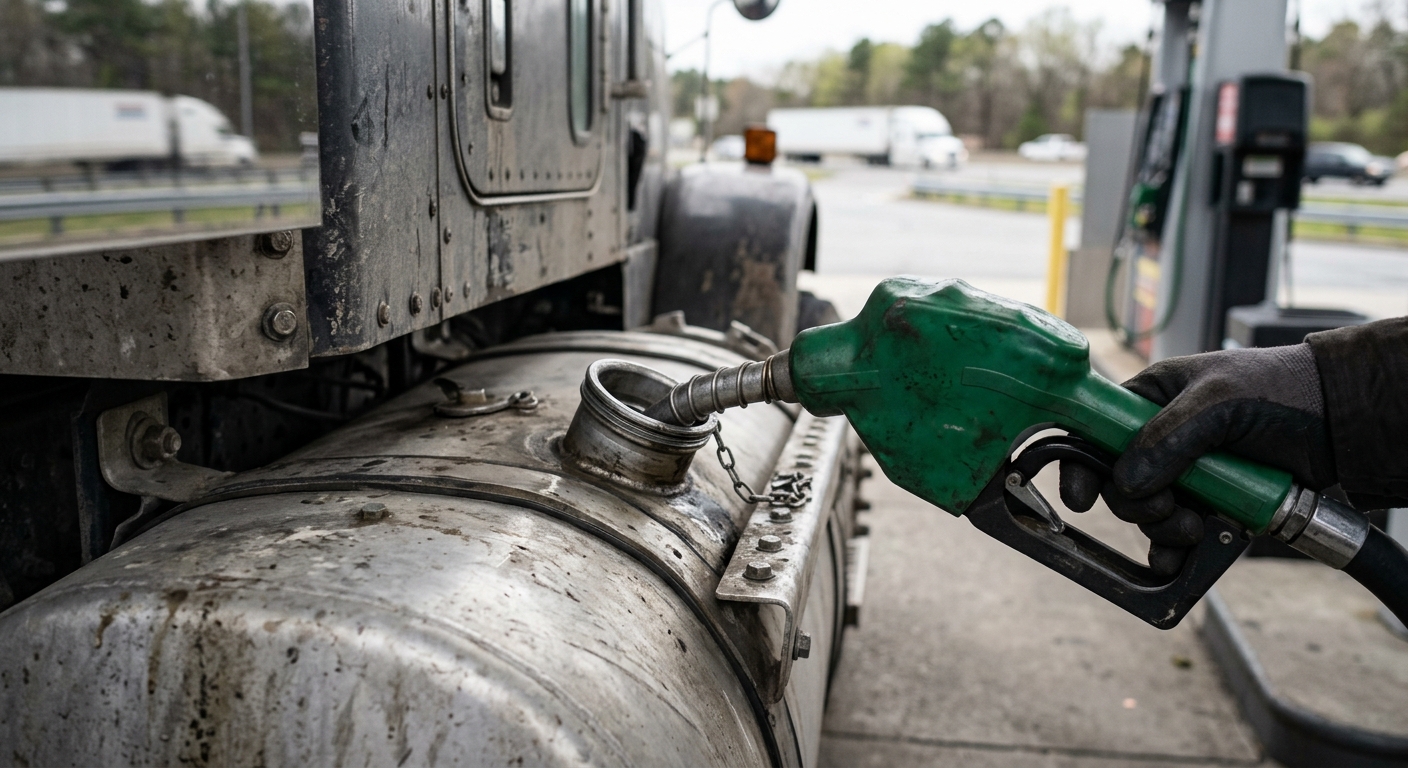
America's inflation surge is being fueled primarily by diesel, the cost of which has climbed more than 75% since the beginning of the Iran war in late winter. Diesel is essential for both farmers and truckers, and economists warn that its rising price impacts nearly every sector. This sharp increase is expected to be a major factor in the final Consumer Price Index (CPI) report before the November midterm elections, highlighting growing concerns for both businesses and consumers over wider energy costs.
Key Inflation Metrics and Upcoming Government Report
The Bureau of Labor Statistics is scheduled to release its September CPI report at 8:30 a.m. Wednesday. Economists surveyed by Dow Jones anticipate the annual rate of inflation to rise to 3.7% from 3.4%. Month-to-month, prices are expected to jump 0.6% from August to September, which would mark one of the largest monthly increases in years. Since August, oil prices have soared to over $105 per barrel from approximately $80, while the price of regular gasoline—what most Americans use—remains over 45% higher since late February, following the start of the Iran war.
Economic and Political Implications
This uptick in inflation comes as early voting begins, presenting challenges for Republican lawmakers defending their majorities in the House and Senate. Polling indicates that inflation and the cost of living are leading concerns for voters across party lines. Agricultural states, such as Kansas, Iowa, and Texas, have been notably affected by escalating diesel prices this summer and fall. Interestingly, Senate races in these traditionally Republican states have seen Democrats gaining ground with campaign messages centered on the high cost of living.
White House Response and Global Backlash
In response to elevated gas and diesel prices, President Donald Trump has taken several measures in recent weeks to attempt to reduce costs. The administration has encouraged G7 allies to release more diesel stocks, issued orders enabling broader use of tax-free diesel, and announced a deal with Russian President Vladimir Putin for Russia to release diesel supplies and relax export restrictions. These measures, including the easing of some sanctions on Russia, have provoked global backlash and, so far, have not significantly lowered prices.
Consumer Spending Remains Resilient
Despite rising costs, American consumer spending remains strong. According to CEOs from top U.S. banks, such as Citigroup and Wells Fargo, spending continues at a steady pace, even as wage growth lags behind inflation. As of September, wages were growing at 3%, remaining below inflation rates since March. JPMorgan Chase CEO Jamie Dimon noted ongoing consumer and business investment supporting economic momentum over the past quarter.
Additional Inflation Drivers: Airfares, iPhones, and Cars
Airfare inflation has been particularly acute, with economists from Morgan Stanley stating that higher oil prices have driven airfares up 23% year-over-year. With jet fuel prices up 90% over the past year, airlines are likely nearing the limit of passing these costs onto customers. Another factor in inflation is the release of Apple's latest iPhone, which saw price increases between 10% and 14% across models, contributing modestly to the September CPI. The expanded demand for memory chips, fueled by the buildout of artificial intelligence (AI) data centers, has further inflated component costs.
Goldman Sachs economists project increases in other consumer categories for September: a 0.5% rise in used car prices, a 0.2% increase in new car prices, and a 0.2% uptick in car insurance rates.
Interest Rates and Federal Reserve Policy
Core inflation—which excludes food and energy prices and is closely watched by the Federal Reserve—is expected to rise to 2.5%, the highest level since June. Morgan Stanley economists highlight that the continued inflation pressure could influence the Fed’s timing for additional interest rate hikes. The central bank has already raised rates once this year and is expected to raise them again, possibly ahead of Election Day, if inflation data come in above expectations. Federal Reserve Governor Christopher Waller has expressed the need for further rate increases to return inflation to the central bank’s target of 2%.
Source: nbcnews.com.