
- calendar_today August 27, 2025
How AI is Expected to Disrupt Half of Jobs in the USA by 2030
Artificial Intelligence (AI) isn’t in the future anymore. It’s already here—assisting us in searching the web, driving intelligent cars, shopping on the internet, and even creating art and music. But as AI becomes smarter and quicker, it’s not only assisting us but also replacing us—particularly in jobs that require repetitive or predictable tasks.
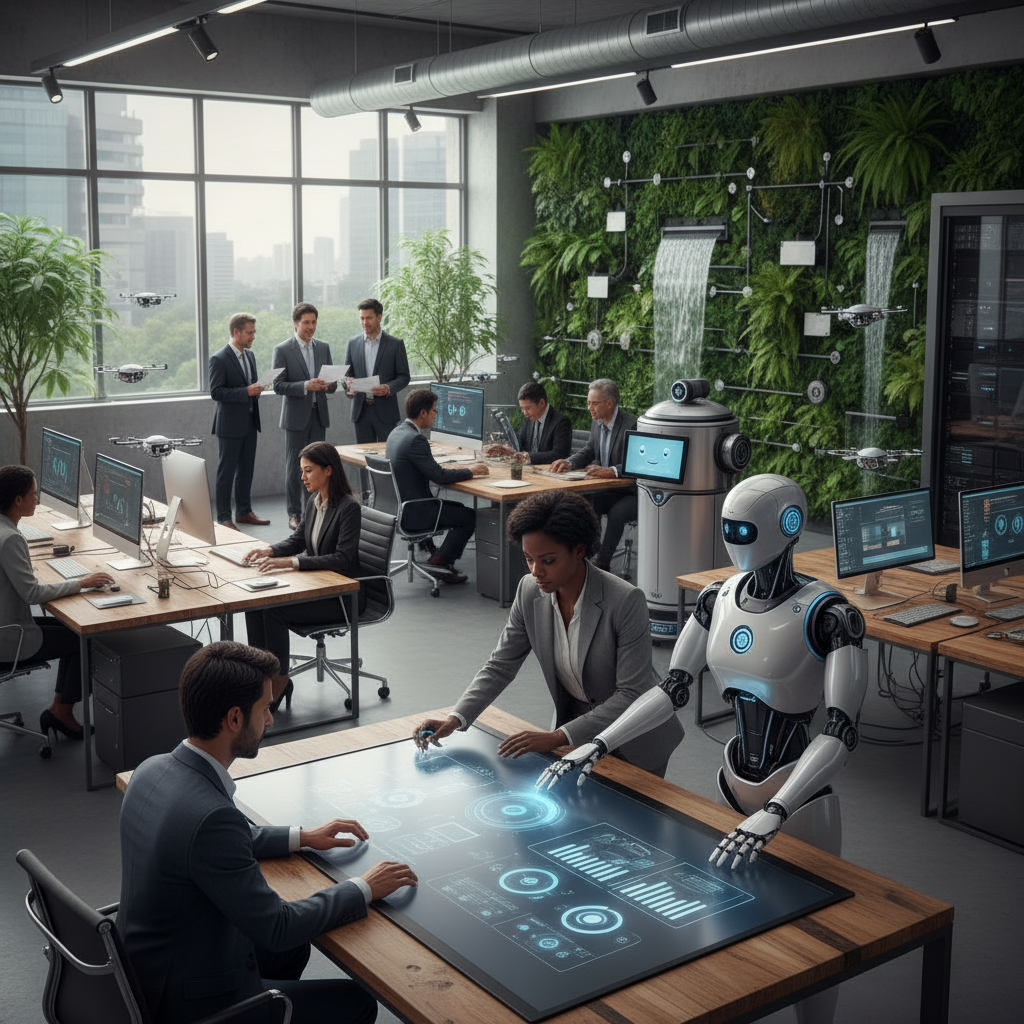
By 2030, AI will disrupt virtually half of all jobs in the USA, experts predict. That is not to say all jobs will become extinct. But large numbers of jobs will either dramatically change or be automated. Let’s dive deeper into what this bodes for workers, companies, and the work force of America in the future.
Why Is AI Expanding So Rapidly?
AI is expanding so rapidly due to three primary factors:
- Faster machines – New chips can now handle enormous volumes of data at speed.
- Improved algorithms – New systems such as ChatGPT, GPT-4, and others can think more like a human.
- Increased data – From e-commerce to social media, companies have mountains of data to use to train AI.
This blend is allowing AI to perform tasks that previously only human beings could—such as writing, customer service, language translation, product design, and even disease diagnosis.
Which Jobs Are Most Vulnerable?
AI won’t affect all jobs the same. Here are the categories of jobs that are likely to see the most changes:
1. Office and Admin Jobs
Tasks like data entry, scheduling, report writing, and document review are already being automated by AI tools. By 2030, many of these jobs may be reduced or transformed into AI-supervised roles.
2. Retail and Customer Service
Chatbots and self-checkout systems are replacing cashiers and call center workers. AI can handle simple customer service requests 24/7, with no breaks.
3. Transport and Delivery
Autonomous trucks, drones, and robotic delivery systems might render millions of transportation jobs insecure. Machine replacement of long-haul truck drivers and delivery staff is a possibility.
4. Manufacturing
Factory workers already do repetitive jobs using robots and AI. Next-generation systems will require fewer humans to work on, fix, or manage production lines.
5. Finance and Banking
AI can quickly and accurately process data, identify fraud, and even provide investment tips. Accountants, financial analysts, and bank clerks might find their jobs diminishing.
Jobs That Will Probably Increase With AI
It’s not all doom and gloom. While many jobs will be upended, AI will create new kinds of jobs and boost demand in some sectors. For instance:
1. AI Development & Engineering
Employments such as AI developers, data scientists, and machine learning engineers will expand quickly.
2. Cybersecurity
The more technology, the more threats. Cybersecurity experts will be required to safeguard AI systems and data.
3. Healthcare & Tech Support
Physicians, nurses, and technicians who can work with AI tools will be more useful, not less.
4. Education & Training
As the economy evolves, millions will have to reskill. Trainers and teachers will play a key role in making people acquire new skills.
5. Creative Industries
While AI can help with content generation, human creativity, emotion, and individual thinking are still difficult to replicate. Writers, designers, marketers, and artists might leverage AI to enhance their productivity.
How Can Workers Prepare?
If you’re concerned about your employment being impacted by AI, here are some easy steps to be ready for the future:
1. Acquire New Skills
Prioritize skills which AI can’t do with ease—such as creativity, problem-solving, communication, and emotional intelligence.
2. Learn About Technology
You don’t need to be a coder, but learning about how AI works will enable you to better utilize it in the workplace and change adaptably.
3. Be Flexible to Change
Job names and duties can change. Be adaptable and willing to learn new things or transition into similar industries.
4. Lifelong Learning
The world is rapidly changing. Develop a learning habit. Engage in online tutorials, workshops, and keep current in your industry.
What Should Businesses Do?
Businesses must also adapt to the AI revolution. Intelligent businesses will:
- Upskill employees rather than replace them.
- Utilize AI to increase productivity, not solely to reduce expenses.
- Ensure that AI is utilized fairly and ethically.
- Employ people to work with AI, not only those possessing standard skills.
Will AI Own Everything?
There is little chance that AI will fully dominate all human jobs. Although it can handle some tasks better, AI does not possess human attributes such as emotions, judgment, and ethics. Work requiring care, empathy, leadership, or creativity will continue to be human-controlled in the foreseeable future.
In addition, society will have to decide how to use AI. Laws and policies will be necessary to safeguard workers, promote fairness, and establish a balance between technology and humans.
Final Thoughts
The explosion of AI is among the greatest shifts in human existence. By 2030, it may upend as many as half of all jobs in the USA. That’s frightening—but it’s also an opportunity to reimagine how we work, learn, and develop.
Some will vanish, but most will be born or evolve out of this change. It’s just a matter of remaining informed, continuing to learn, and being prepared to adjust. AI will alter how we work—but with the proper attitude, it doesn’t have to steal your job. It could just create a new one.