
- calendar_today October 11, 2026
Investigation Underway After Five Deaths Near Lansing River Trail
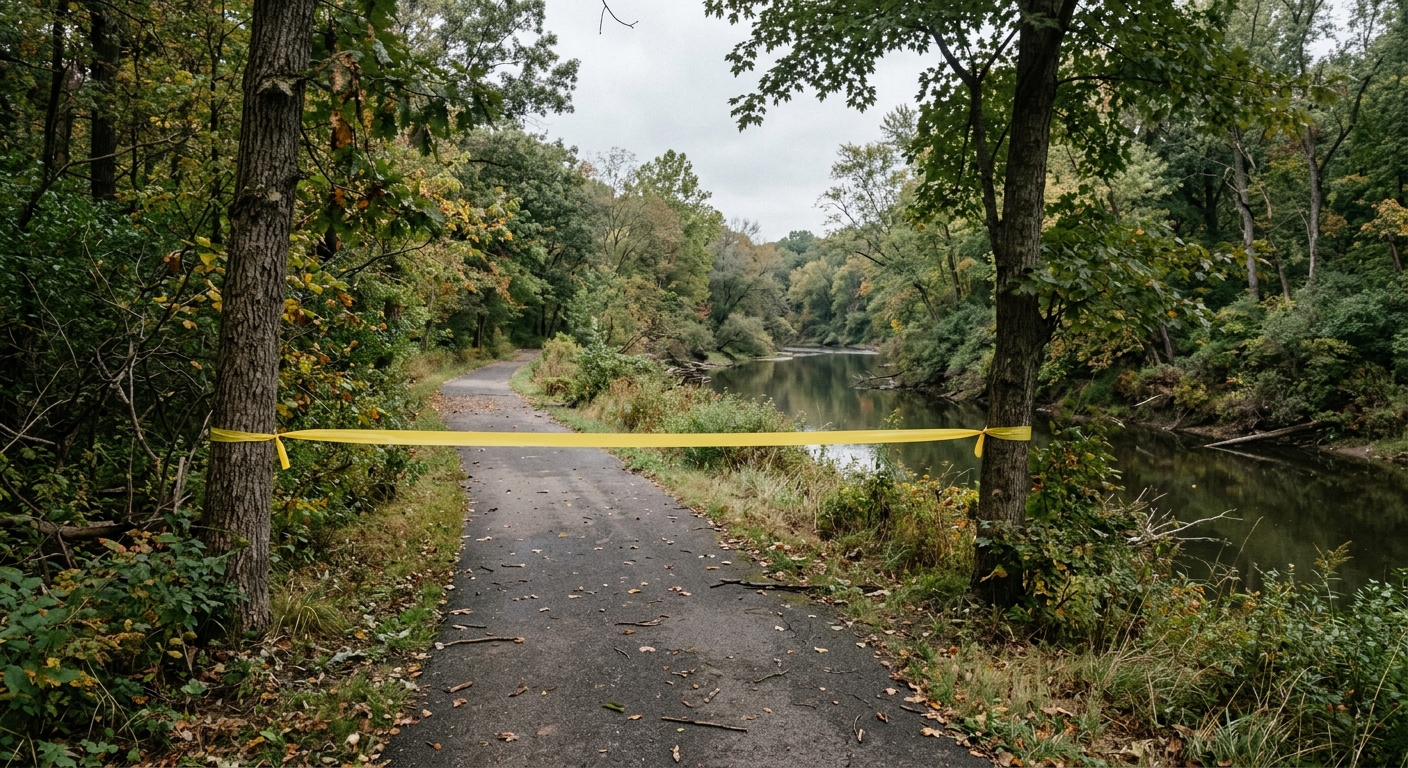
Authorities in Michigan are investigating whether five recent deaths near the Lansing River Trail are linked to a potential serial killer. The deaths occurred between October 2025 and September 2026, all within an area near Michigan State University. The victims are believed to have been homeless individuals who may have been sleeping outdoors at the time of their deaths.
Former FBI Profiler Weighs In on the Case
Former senior FBI profiler Mary Ellen O'Toole discussed the ongoing police investigation during an appearance on 'The Big Weekend Show'. O'Toole noted that committing crimes in outdoor locations involves significant risk for the offender, increasing the likelihood of leaving behind valuable forensic evidence.
"It's also very high risk for the offender because the offender comes in to an open area and kills these people — and these are probably not quick homicides — and then has to leave the area," O'Toole explained. "And I can almost tell you for sure that this offender is not cleaning up his crime scenes. So he's probably leaving behind some very valuable evidence for investigators to analyze."
Police Response and Current Developments
Lansing Police Chief Rob Backus addressed the string of deaths at a press conference on October 2, 2026. At present, a suspect has been arrested in connection with the stabbing death of one man. However, police have not yet conclusively linked this individual to the other four deaths.
The ongoing police investigation is focused on determining whether the deaths are related and whether they point to a potential serial killer. Increased security measures have also been announced at Michigan State University in response to concerns over public safety.
Examining the Possibility of a Serial Killer
O'Toole emphasized that law enforcement must conduct further work before declaring the cases connected. According to her, part of this process involves examining unsolved homicides in Michigan and neighboring states for similarities or evidence of previous crimes by the same perpetrator.
"They'll look at other homicides both in Michigan and in the surrounding areas because we know from other cases serial killers can travel around, so they want to be able to understand the breadth and the extent of the damage that one person could do," O'Toole said.
Investigators may also search for so-called "practice murders"—early crimes that offenders commit before developing their methods further. These earlier acts could have occurred elsewhere in Michigan or even out of state.
The Role of Forensic Evidence in Outdoor Crime Scenes
Given the outdoor locations of these deaths, O'Toole believes there is a strong possibility that forensic evidence has been left at the scenes. Often, such crimes present challenges for both the offender and investigators, as outdoor environments may preserve or degrade evidence unpredictably.
Authorities are expected to continue gathering and analyzing evidence as they work to determine if a serial killer is responsible for the deaths along the Lansing River Trail. The police investigation remains ongoing, with officials urging anyone with information to come forward.
Source: foxnews.com.