
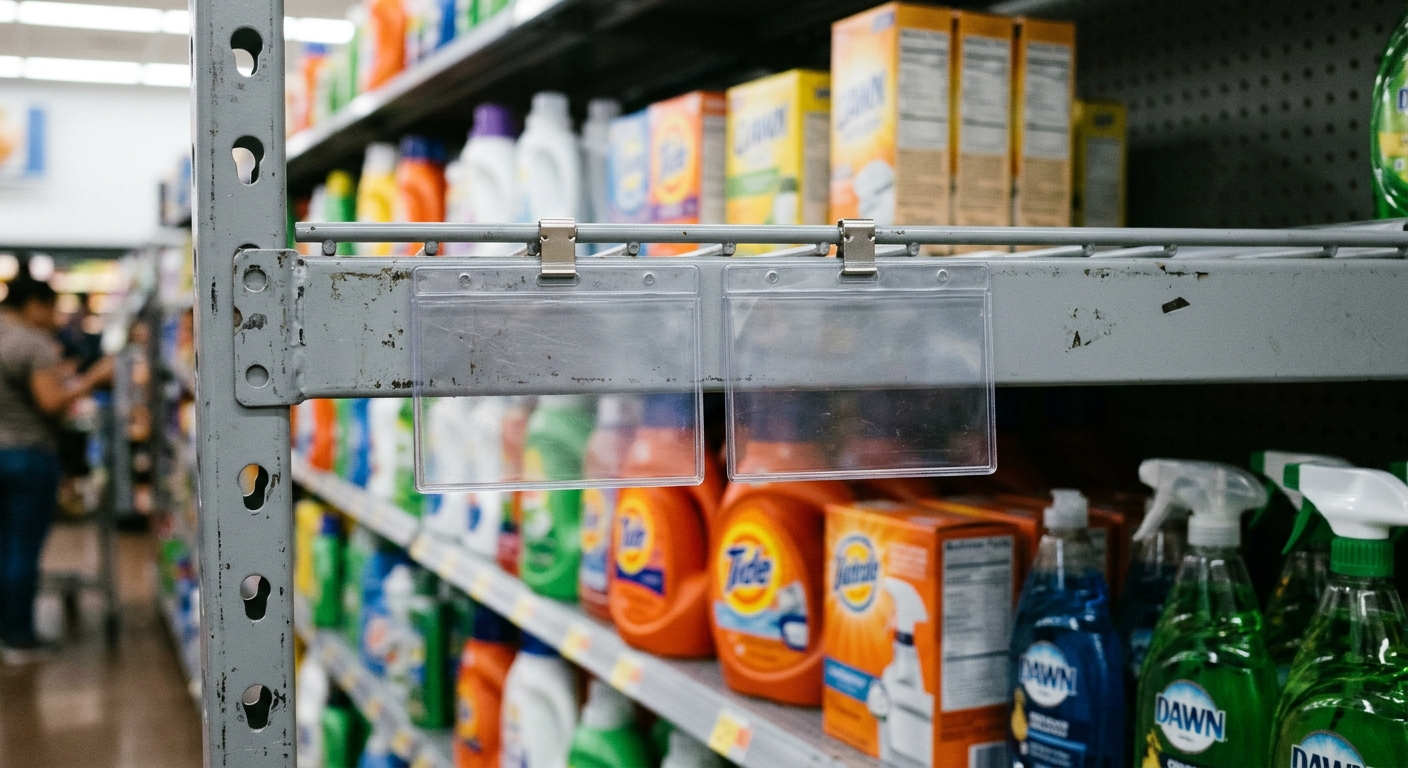
AI-generated illustration; not a photograph of the reported event.
- calendar_today October 27, 2026
FTC and States File Lawsuit Against Dollar General
On Monday, the Federal Trade Commission (FTC) and 20 states filed a lawsuit against Dollar General, one of the nation’s largest budget retailers, accusing the company of systematically charging customers more at checkout than the prices advertised on shelves. The lawsuit alleges that this practice has continued for years, leading to millions of dollars in unlawful overcharges and significant financial harm to consumers who rely on Dollar General’s low prices.
Allegations of Widespread Price Discrepancies
According to the FTC, Dollar General, which operates 21,000 stores nationwide, has mislabeled prices on numerous products, misleading consumers and extracting additional money from their purchases. The complaint, filed in the U.S. District Court for the Middle District of Tennessee, states that thousands of Dollar General stores have engaged in deceptive retail pricing, charging more at the register than displayed on shelves, tags, and advertisements. This pattern of inaccurate pricing reportedly extended across millions of transactions in stores throughout the country.
Consumer Protection Concerns Highlighted by the FTC
Christopher Mufarrige, director of the FTC’s Bureau of Consumer Protection, commented on the case, stating, “Dollar General has betrayed the trust of millions of American consumers and imposed significant financial harm on communities and consumers who are already struggling to make their paychecks last.” The agency further emphasized that discrepancies between advertised prices and those charged at checkout undermine customers’ ability to effectively manage household finances, especially among those on tight budgets.
Consumer Complaints and Dollar General’s Response
The lawsuit references thousands of consumer complaints alleging that Dollar General failed to honor advertised prices at checkout. The FTC claims this pattern of behavior demonstrates the retailer’s awareness of the issue and its impact on customers. In response, Dollar General stated, “Our goal is 100% accuracy between shelf and register prices in every store.” The company acknowledged that occasional pricing discrepancies can occur despite its policies and procedures and stressed that store teams are empowered to correct such errors for customers.
Dollar General also said that it has enhanced its price-accuracy processes in recent years and remains committed to continuous improvement. The retailer indicated that it was made aware of the FTC’s investigation in early February and attempted to resolve the matter without litigation, but disputed the FTC’s calculation of potential monetary relief as excessive.
Legal Actions and Next Steps
The lawsuit seeks a permanent injunction as well as monetary and other relief against Dollar General. The FTC and the participating states are asking the court to address what they describe as a long-standing issue of checkout overcharges affecting millions of shoppers nationwide. In its statement, Dollar General asserted its intention to “defend this litigation vigorously,” while acknowledging respect for the roles of both the FTC and state consumer protection agencies.
Context and Ongoing Developments
As this case moves forward, it brings renewed attention to retail pricing practices and consumer rights at the checkout. The litigation underscores the role of government agencies and consumer complaints in ensuring price accuracy and holding retailers accountable for their pricing policies.
Source: cbsnews.com.