
- calendar_today October 21, 2026
Explosion at MC Tank Terminal in Toledo Releases Glycol Methacrylate
A chemical tank explosion at a company in north Toledo, Ohio, led to the release of glycol methacrylate into the air overnight, prompting urgent evacuation and shelter-in-place orders for local residents, officials announced Wednesday.
Timeline of the Incident and Response
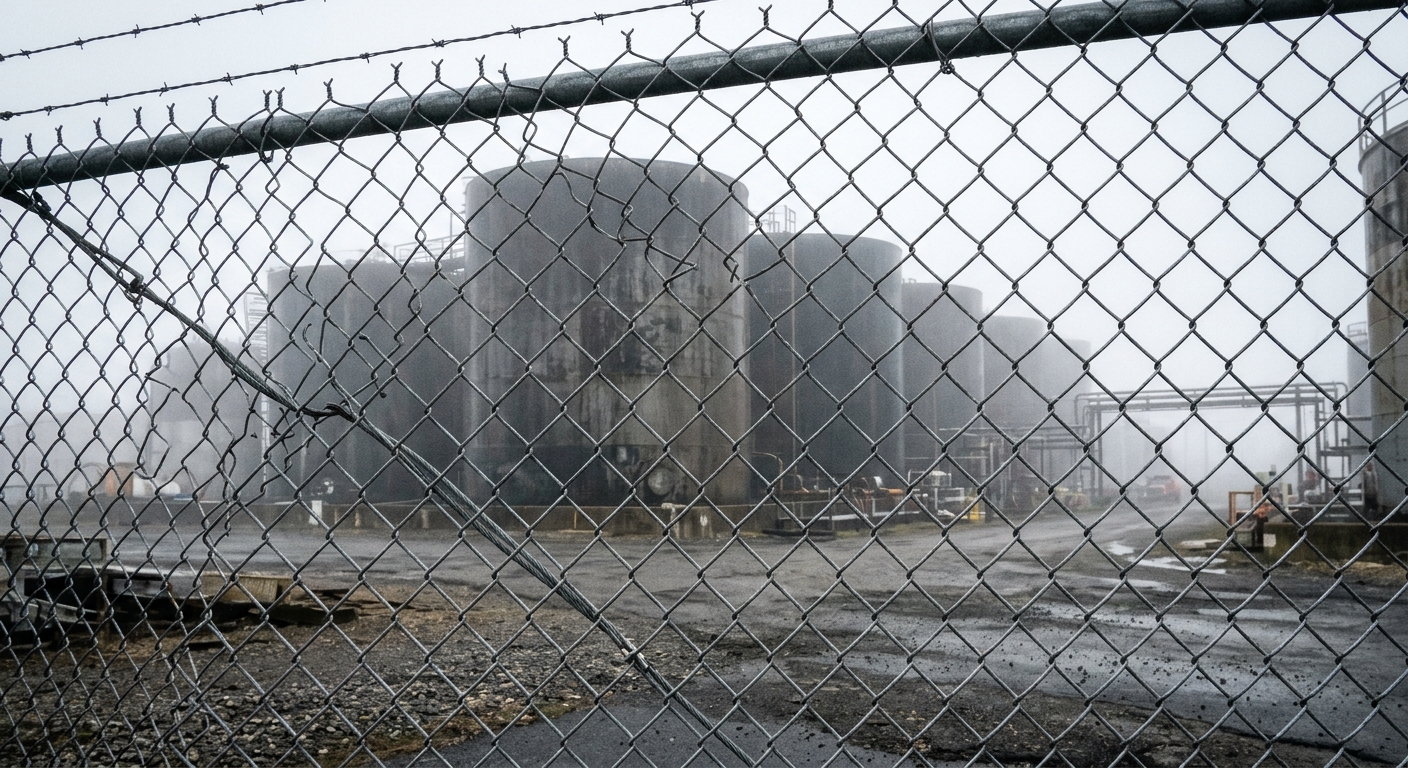
The explosion occurred Tuesday night at MC Tank Terminal, a transport hub for industrial chemicals. According to Toledo Mayor Wade Kapszukiewicz, an employee notified authorities of the explosion via a 911 call. The company is headquartered in Arkansas, and executives were traveling to Toledo to assess the damage and coordinate with local officials.
After the explosion, glycol methacrylate—a chemical used in industrial coatings—entered the atmosphere as a gas before condensing back into a liquid form upon settling. Dense fog and haze further complicated conditions in the city of about 265,000, with residents and news outlets reporting a plastic-like odor in the air.
Evacuation and Shelter-in-Place Orders Issued
City officials first ordered an evacuation for residents within a half-mile of the site, affecting approximately 300 people. The order was later expanded to a one-mile radius, raising the number of evacuees to nearly 1,000. Additionally, everyone within three miles was instructed to shelter in place with windows closed. As of Wednesday morning, officials believed all residents in the mandatory evacuation zones had complied.
Mayor Kapszukiewicz shared that it was unclear when the evacuation and shelter-in-place orders would be lifted, urging residents to check with businesses and schools for operational updates. Some schools closed or delayed opening in response to the ongoing emergency.
Health, Safety, and Hazmat Response
One first responder suffered a non-serious injury and was taken to the hospital, according to the mayor. The ongoing release of glycol methacrylate presented a risk of further explosion for up to 12 hours after the incident, which delayed hazmat teams’ access to the tank until late Wednesday morning. Only after that period could emergency personnel assess containment options.
Toledo Health Commissioner Karim Baroudi confirmed that while glycol methacrylate is a known long-term carcinogen, there was “no immediate danger” to public health as a result of the exposure. Residents experiencing irritation were advised to shower to wash off any chemical residue. The mayor acknowledged that people might sense an unusual taste, odor, or eye irritation but emphasized that not all exposures were necessarily harmful.
Community Impact and Official Communication
Kapszukiewicz expressed gratitude to the agencies aiding the evacuation, shelter setup, and emergency response, noting coordination with state and federal EPA authorities. He committed to ongoing public communication as the city continues to monitor the situation and determine when it will be safe for residents to return.
Social media videos showed hazy skies as residents left the area, with some depicting emergency vehicles at the scene and thick smoke rising from the incident site. Despite the chemical release, officials clarified that naturally occurring weather had also contributed to the dense fog observed in Toledo that morning.
Industrial Context and Next Steps
Michael Posadny, special operations deputy chief overseeing hazmat, explained that MC Tank Terminal operates as a distribution point where chemical products remain briefly before shipping elsewhere. Mayor Kapszukiewicz noted that such industrial incidents, though unwelcome, sometimes occur in cities with a significant industrial history and vowed that Toledo would overcome the challenge as it has before.
Source: nbcnews.com.