
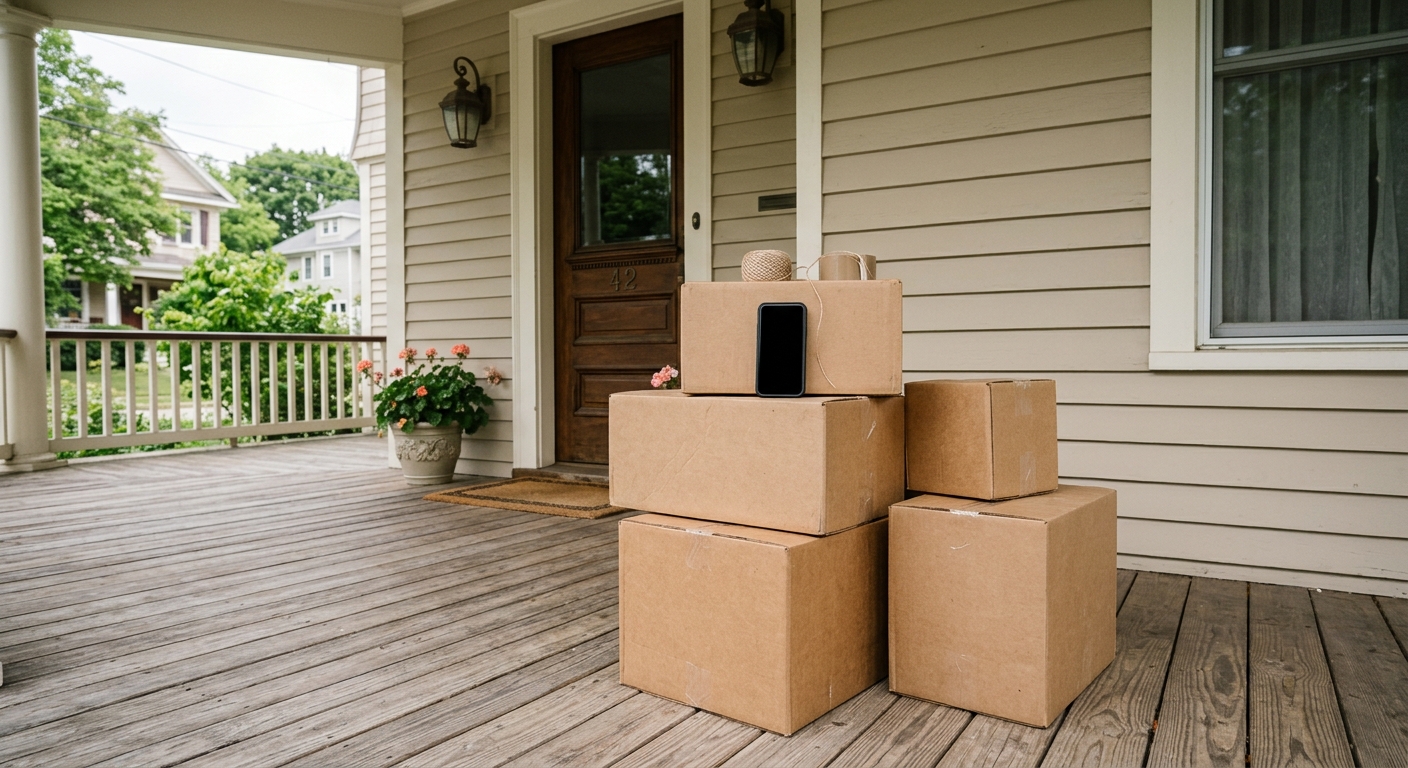
AI-generated illustration; not a photograph of the reported event.
- calendar_today November 26, 2026
Holiday Shopping Scams on the Rise Before Black Friday
With Black Friday set for November 27 this year, the rush of holiday online shopping is already underway. As more consumers place orders and anticipate deliveries, scammers are seizing the opportunity to send convincing fake delivery alerts. At the same time, the personal data you share when shopping can circulate among data brokers, increasing your vulnerability to targeted scams.
How Data Brokers Collect and Share Your Information
Every online shopping experience—whether signing up for a loyalty program, purchasing items, or entering shipping addresses—can result in your personal details being collected. Retailers may use the information for their marketing or share it with partners and data brokers. Data collected can include names, emails, phone numbers, addresses, and shopping preferences. People-search websites compile this data, sometimes adding information about relatives from public records, according to the Federal Trade Commission (FTC). Such compilations make it easier for scammers to enhance the credibility of their fake messages.
How Scammers Use Your Information in Package Delivery Scams
During the holiday season, expecting a package is common, making messages about delivery issues seem plausible—even if they're fraudulent. Scammers may not know your recent purchases, but they often send out mass text alerts claiming to be from delivery services such as USPS. If they acquire your real name and address from data brokers or public sources, these scams become more believable. The FTC highlighted that fake package delivery messages, often impersonating USPS, were the top text scam reported in 2024.
Typical scam messages contain urgent requests to update delivery details or pay a small fee via a link. The goal is to steal credit card information or other sensitive details. It's important to remember that USPS does not charge for redelivery, and its genuine tracking messages only go to users who have explicitly requested them—and do not contain links.
Preparing for Black Friday: Cleaning Up Your Data
Cleaning up your online footprint before Black Friday can reduce your exposure to scams, though it cannot guarantee complete protection. Data brokers process opt-out requests at varying speeds, and personal information can resurface even after removal. Beginning the process now gives you time to identify and remove exposed details before peak shopping days.
Your 15-Minute Pre-Black Friday Data Cleanup Guide
1. Search Yourself on People-Search Sites
Look up your name on sites like Spokeo, Whitepages, or BeenVerified to check if your address, phone number, or relatives' information is listed. If it is, follow each site's removal procedures.
2. Review Shopping Account Privacy Settings
Inspect your privacy settings on commonly used shopping platforms. Limit promotional emails, personalized ads, and information sharing with marketing partners. Delete any outdated shipping addresses, though be aware old order records may still contain them.
3. Track Orders Only Through Official Apps
If alerted to a delivery problem by text, verify directly within the retailer or shipper's official app or website—instead of clicking links in messages.
4. Consider Automated Data Removal Services
Automated services can submit removal requests to numerous data brokers at once. While they can't erase all traces of your information, these services can help lessen overall exposure. Free scans are available at CyberGuy.com.
5. Set Family Rules for Delivery Texts
Discuss fake delivery messages with your relatives. Ensure everyone verifies any payment requests through official channels. Remember: USPS will never charge a redelivery fee via text link.
6. Report Suspicious Messages
Do not click suspicious links or respond to scam texts. Forward them to 7726 (SPAM), use your phone's reporting function, and, for USPS impersonation, send to spam@uspis.gov. If you've entered payment details on a suspicious site, contact your card issuer promptly and report the scam to ReportFraud.ftc.gov.
Key Takeaways for Safer Holiday Shopping
The influx of fake delivery texts during holiday shopping can easily catch consumers off guard. Regularly reviewing what information is accessible online and initiating removal where possible is a prudent step. However, even after cleaning up your data, scammers may still reach out. The safest practice is to confirm deliveries directly through the official websites or apps rather than following instructions from unsolicited messages.
For more security strategies, technology tips, and scam alerts, visit CyberGuy.com and consider signing up for their free newsletter and scam survival guide.
Related coverage
Source: foxnews.com.