
AI-generated illustration; not a photograph of the reported event.
- calendar_today November 26, 2026
Officials Reassure After Iowa Explosion, but Concerns Linger
Federal officials have sought to reassure the public after the Army detonated a cache of lead azide at the Iowa Army Ammunition Plant, but questions about lead contamination and potential lead exposure remain among residents and scientists. The controlled explosion, which took place at 9 a.m. local time, involved 68 drums containing 9,500 pounds of lead azide, a highly unstable and toxic compound.
Residents Await Safe Return Amid Unclear Cleanup Progress
Local residents, including those who evacuated their homes ahead of the blast, continue to wait for confirmation that it is safe to return. Sean Byers, who lives across the street from the plant, expressed skepticism over the Army’s assurances that no lead was detected in the air, noting that some people might be underestimating the long-term risks due to the subdued appearance of the plume.
Garrett Anthony, a Burlington resident who evacuated his home located about seven miles from the site, echoed these sentiments, emphasizing the need for ground testing before he feels confident about returning.
Initial EPA Data Shows No Detectable Lead in Air, But Further Testing Needed
The Environmental Protection Agency (EPA) reported that initial, real-time air monitoring data collected from four sites had not detected any lead in the atmosphere immediately following the detonation. However, outside experts stress that several days of laboratory testing are necessary to determine if there are contamination hotspots that require cleanup.
Dr. Joel Kaufman from the University of Washington highlighted the importance of supplementing real-time data with dust sample analysis, while Purdue University’s Andrew Whelton emphasized the need for chemical analysis of physical particulate matter deposited on the ground.
Academic and EPA Scientists Undertake Extensive Environmental Monitoring
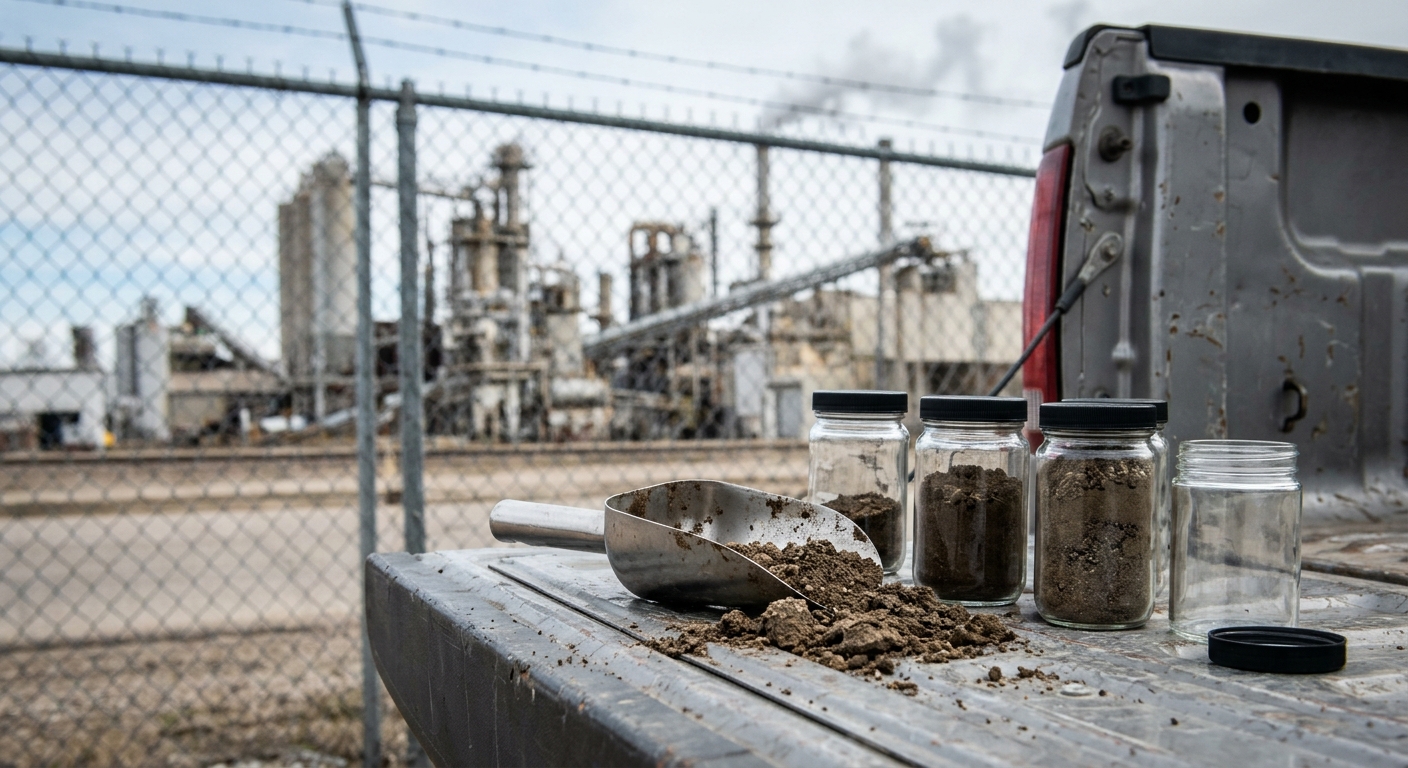
The aftermath of the iowa explosion has mobilized scientists across Iowa. Teams from the EPA, University of Iowa, and other academic institutions are conducting comprehensive environmental monitoring, including soil sampling and dust wipe testing, to assess lead dust dispersion.
Patrick O’Shaughnessy from the University of Iowa detailed plans for collecting air and dust samples for laboratory analysis. Researchers from outside Iowa have joined the effort to ensure thorough investigation. Residents like Anthony have also saved pre-event soil to use as baseline samples.
The EPA stated that 300 personnel and contractors are on the ground, with more than 1,200 samples of air, soil, and water collected before the explosion. New post-blast sampling results will be sent to EPA labs for analysis, with preliminary data expected in the coming days.
Army and EPA Face Scrutiny Over Communication and Testing Plans
The planned detonation sparked public outcry due to perceived poor communication and inadequate preparation time—issues compounded by the Thanksgiving holiday. Critics, including academic experts like Whelton, called for more transparency and an evidence-based approach in testing protocols to ensure public health safety around the epicenter and surrounding communities.
The Army has maintained that the detonation was necessary due to the degraded, highly unstable state of the lead azide, which posed a risk of an uncontrolled explosion. Permit documents indicated that the blast could create a crater 38 feet wide and send concrete debris half a mile from the site.
Cleanup Efforts Underway With Protective Measures
A cleanup and remediation effort involving Army personnel and contractors is expected to last three months. Workers will wear full-body Tyvek suits and respirators as they move up to 13 tons of hazardous debris for safe disposal. Additional last-minute protective measures, including gel blocks, aqueous foam, and a wall of water containers, were implemented to contain debris and limit the spread of lead dust, though it remains unclear whether these will affect the cleanup timeline.
As academic and official EPA testing continues, many residents and experts await final data to confirm that the threat of lead pollution and toxic lead exposure has been contained. The results of these ongoing efforts will be critical to determining any long-term impact on public health and the environment in the affected area.
Related coverage
Source: nbcnews.com.