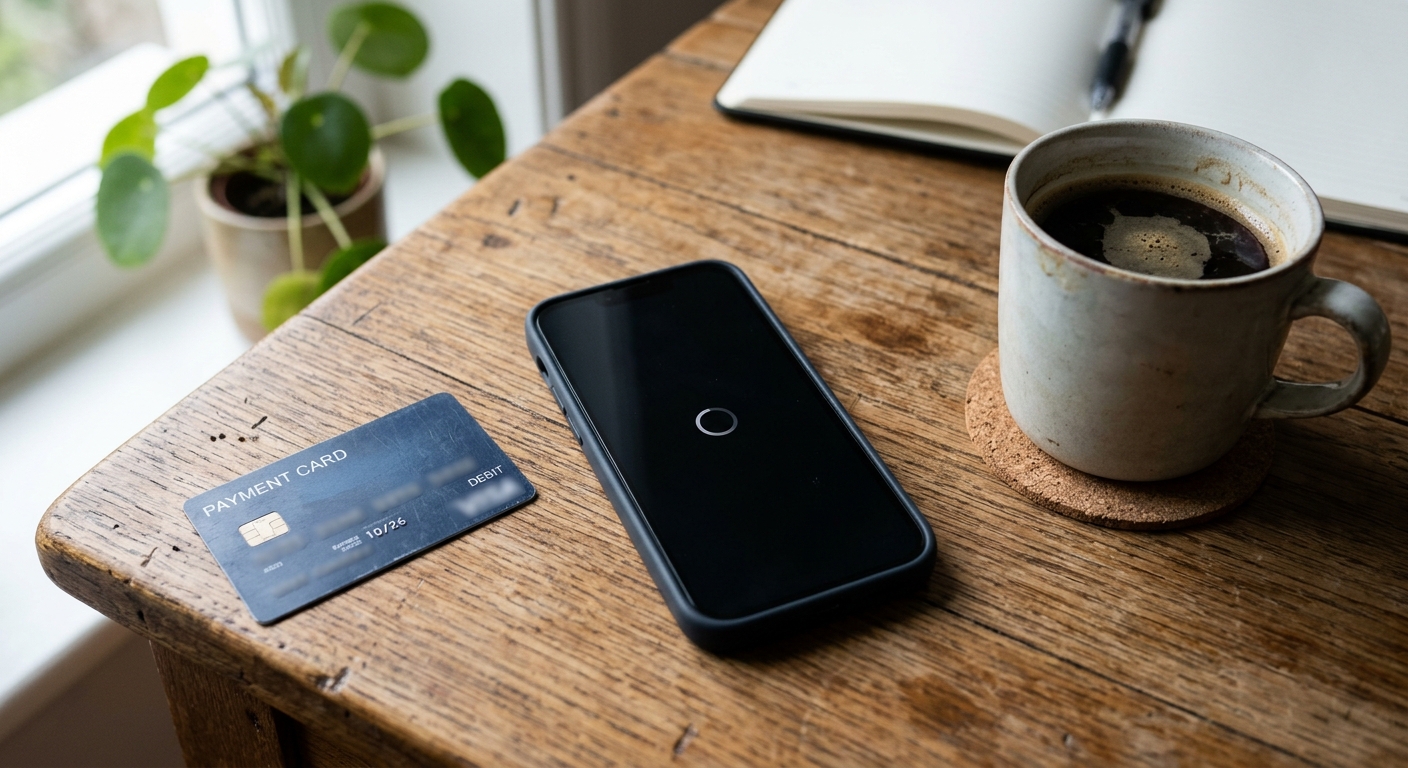
AI-generated illustration; not a photograph of the reported event.
- calendar_today November 17, 2026
Service Disruptions Hit Major U.S. Banks
On Monday, customers of several large U.S. financial institutions—including JPMorgan Chase, Bank of America, U.S. Bank, Capital One, Truist, and Wells Fargo—faced widespread disruptions in online banking, according to Downdetector.com. Users reported difficulties accessing accounts, performing transactions, and receiving timely information about their finances. Digital payments platform Zelle was also affected, with some users experiencing issues related to problems at certain banks.
Technical Issues at JPMorgan Chase Spark Industrywide Outages
A spokesperson for Chase confirmed the disruptions stemmed from a technical bug rather than a cyberattack. Customers were still able to access their accounts and funds; however, some transactions, including bank transfers and wire transfers, were delayed. Chase clarified on social media that a software bug in its systems also impacted other institutions during interbank transactions. The bank emphasized that the issue was not systemic.
A statement from Bank of America noted that its own systems had operated normally that day, though customers did report problems with ATMs as well as online and mobile banking. Wells Fargo and U.S. Bank users cited issues such as trouble signing in, obtaining balances, or conducting basic transactions. U.S. Bank said its systems were not directly impacted, but acknowledged that Zelle payments involving other institutions could be delayed. Capital One reported normal operations, stating it had not been affected by the outage.
Customer Reactions and Communication from Banks
Chase customers attempting to access their accounts online were met with messages indicating that some services were unavailable, advising them to try again later. At the peak of the incident, nearly 4,800 users had reported problems with Chase, more than any other institution. One customer in Dallas, Texas, described being unable to deposit a check at a local Chase branch, with a teller attributing the disruption to a system outage. Zelle, operated by Early Warning Services—which is owned by Bank of America, Capital One, Chase, PNC Bank, Truist, U.S. Bank, and Wells Fargo—confirmed its service was functional, but acknowledged users could face delays if their financial institution was affected.
Recent Cascade of System Failures in Critical Industries
The banking outages followed major technical disruptions in other industries. Over the previous weekend, Microsoft experienced a global outage affecting Outlook and Teams services, rooted in a technical, not a cyber, issue. Additionally, overloaded routers led to the FAA issuing a rare nationwide ground stop, which delayed flights across the country until airline schedules normalized. United Airlines also resolved its own system outage by Monday evening.
Experts emphasized a common thread: the complexity and fragility of highly interconnected technology systems. Mike Chapple, an IT and analytics expert from the University of Notre Dame, noted that technical issues at major institutions like Chase can ripple through payment networks, disrupting service for multiple entities and magnifying the impact across the financial sector and beyond. Karen Panetta, dean of graduate engineering at Tufts University, observed that the global reach and integration of these large providers intensify the downstream effects when disruptions occur.
Advice to Customers and Fraud Prevention Tips
Kayne McGladrey, a security expert and senior member of the IEEE, suggested that customers facing online banking outages try using ATMs, phone banking, or visiting branches, as in-person services may remain operational. She advised individuals to keep records and screenshots of any failed transactions and to request fee reversals if they are charged due to service interruptions. McGladrey also cautioned bank customers to disregard unsolicited emails or texts about outages, warning of potential phishing scams, and recommended relying only on official communications from their bank.
Craig Timm, senior director at ACAMS, highlighted the risk of scammers preying on customers' anxiety during outages. He urged consumers to stay vigilant for fraudulent messages pushing urgent action or seeking to harvest login credentials, reminding them that AI-powered scams can spread rapidly during such events.
Source: cbsnews.com.