
- calendar_today October 19, 2026
Supreme Court Agrees to Hear Challenge to Home Distilling Ban
The United States Supreme Court announced on Monday that it will take up the constitutionality of a nearly 160-year-old federal home distilling ban, revisiting a law that prohibits individuals from producing distilled spirits at home for personal use.
Case Overview: Department of Justice v. McNutt
The case, known as Department of Justice v. McNutt, will be argued in the upcoming year, with a decision expected by late June or early July. The dispute centers on whether Congress overstepped its enumerated powers—specifically its taxing authority—by outlawing home distillation of spirits.
History and Details of the Federal Liquor Law
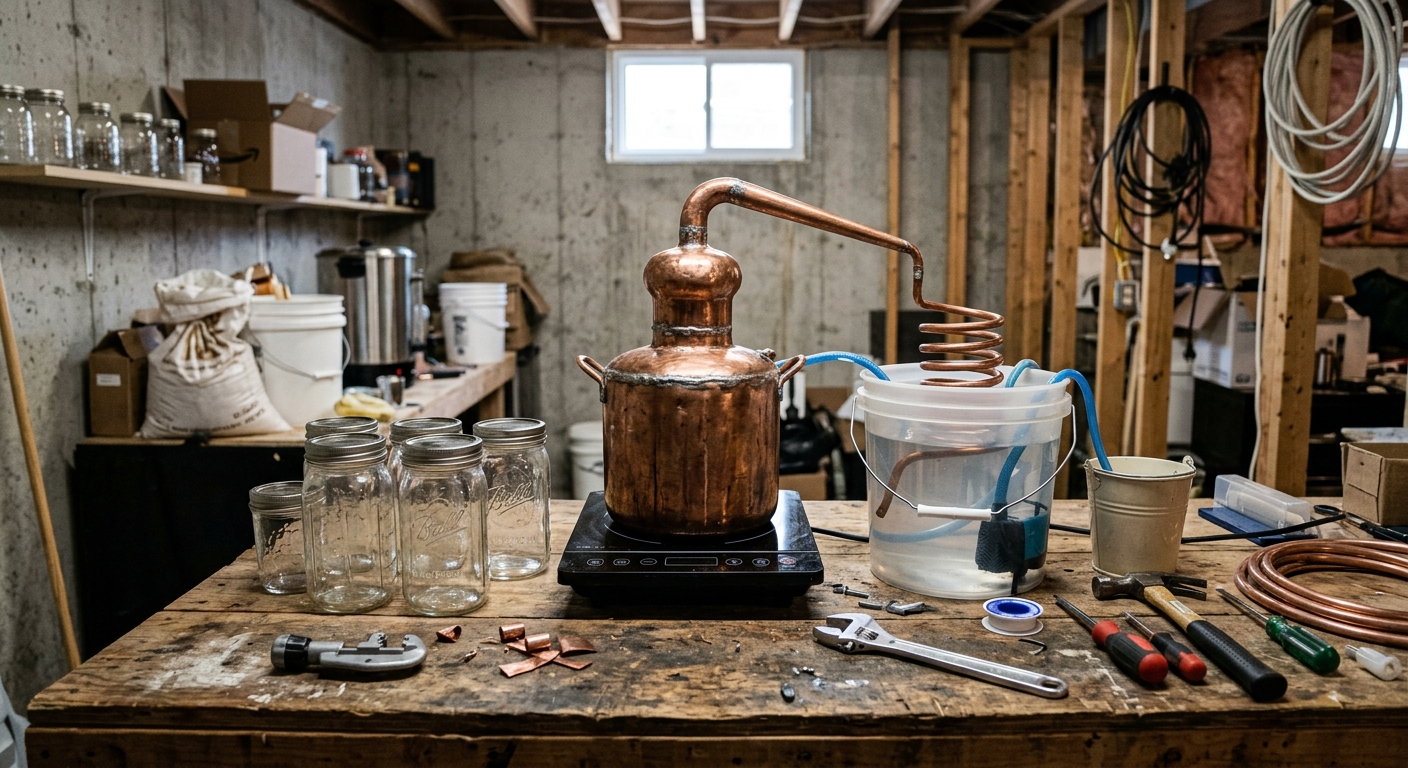
Since 1868, federal law has banned the production of distilled spirits in "any dwelling house" or any shed, yard, or enclosure attached to a residence. Violators face criminal penalties, including fines, the possibility of up to five years in prison, and forfeiture of their property. The original legislation was enacted amid concerns about rampant tax evasion. At the time, a House report from 1867 estimated that "at least seven-eighths" of spirits went untaxed as commercial distillers often bribed officials to avoid a $2-per-gallon tax, which exceeded the market price of spirits.
Legal Arguments and Lower Court Rulings
The challenge was filed by the Hobby Distillers Association and a member who wished to distill spirits at home. They claimed the ban exceeded Congress's constitutional authority under the Taxation and Necessary and Proper Clauses. A federal district court agreed, declaring the home distilling ban unconstitutional because it penalizes those not even subject to the tax and does not directly relate to the product being taxed.
The 5th Circuit Court of Appeals upheld most of that decision, reasoning that the home distilling ban was not "plainly adapted" to achieving Congress's taxing goals. The court warned that maintaining the prohibition would permit Congress "to criminalize nearly any at-home conduct only because it has the possibility of concealing taxable activity."
Government Response and Supreme Court's Involvement
Solicitor General D. John Sauer petitioned the Supreme Court to review the lower court ruling, labeling it "erroneous." Sauer argued that the ban is justified because home-based distilling operations are harder to inspect and more likely to evade federal tax requirements. Conversely, lawyers for the would-be distillers also urged the Supreme Court to address the legality of the ban, contending that the federal liquor law impinges upon limits to Congress's regulatory powers.
The outcome of this supreme court case could have significant implications for interpretations of congressional powers, the reach of federal criminal penalties, and individual rights concerning personal use distilling and home distillation.
What to Expect Next
Arguments in the case are expected in the coming year. The Supreme Court's decision, likely to be handed down in late June or early July, will set an important precedent on the legality of the home distilling ban, federal taxation, and the scope of congressional regulation over distilled spirits and personal conduct.
Source: cbsnews.com.